The light shines in the darkness, and the darkness has not overcome it.
John 1:5
Traditions
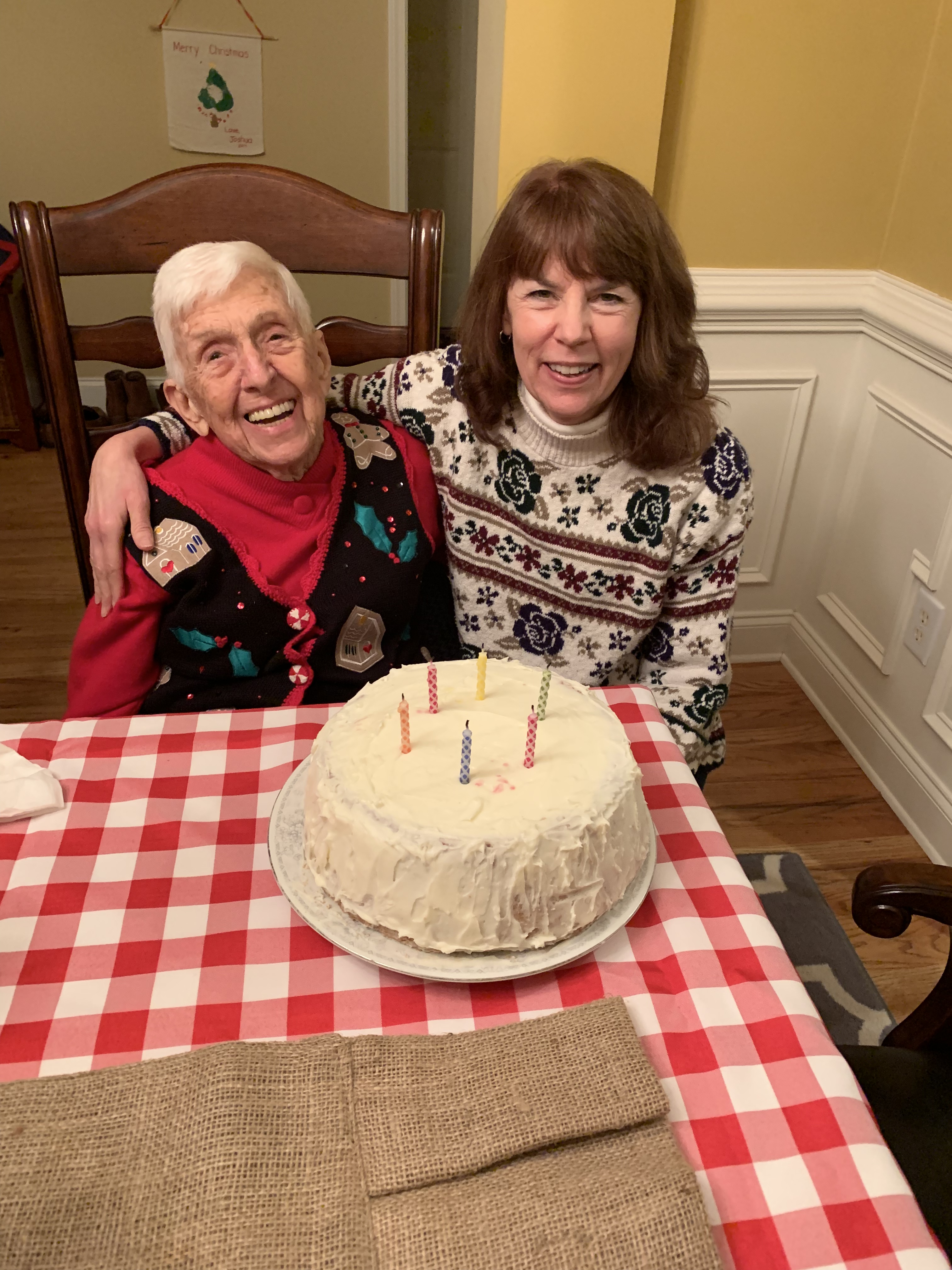
I’m a Christmas baby, born on December 19th. Mom and Dad brought me home on Christmas Eve, and Dad hung a bootie up as my first stocking. Despite my birthday falling within a week of Christmas, Mom made sure I had a birthday celebration each year, complete with cake and presents. Some years we invited friends over for a party, while other times, Dad took us out to dinner at a nice restaurant. And each year, my gifts included a pretty dress from Mom.
Christmas traditions were equally dear and included shopping, preparing dozens of goodie boxes to share with friends, decorating, and attending Christmas cantatas and worship services.
As the years passed, I married and started a family, so we tweaked and added to our traditions. We joked that our holiday season begins with daughter Mary’s late-October birthday and continues into November with Mom’s birthday and Thanksgiving. Granddaughter Lyla’s birthday is the day after mine, then Christmas. We finally wrap up our celebrations on New Year’s Day. Different foods and festivities accompany each occasion, as do plenty of reminiscences and lots of photo-taking.
Just Skip It
Several weeks ago, I began to contemplate this year’s holiday season. Unlike most years when joyful anticipation colors my feelings, I thought, “I wish I could fast-forward past the holidays.”
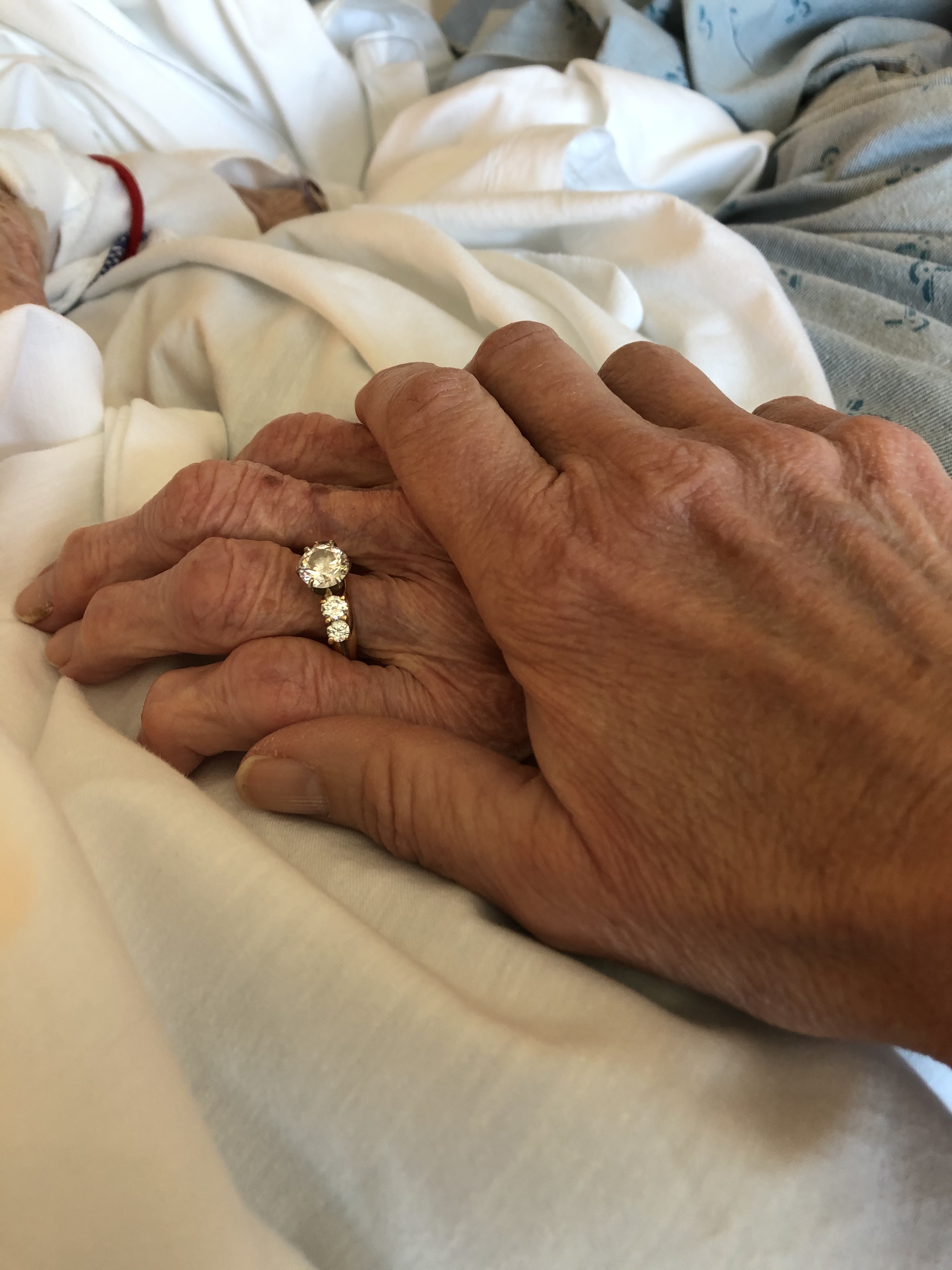
You see, for the first time in my life, Mom won’t be with me to celebrate. Granted, we curtailed our goodie-making some years ago, and Mom’s ability to fully participate in shopping, wrapping, and sending out Christmas cards had declined the last few years. However, her smile still shone brightly, and her joy at being together was infectious.
Pondering Mom’s absence on my birthday and Christmas morning weighed heavy on my heart.
Not Celebrate?!
Those dismal thoughts didn’t have a chance to put down roots, though. Almost as quickly as they came, another took their place, “What do you mean, not celebrate?! How would that honor her memory, much less the One whose birth we’re celebrating?”
Last week’s sermon[1] further dispelled the notion of merely going through the motions this December. After acknowledging that not everyone experiences hope and joy during the holidays, Pastor Donovan reminded us of the following:
- Biblical hope isn’t maybe-things-will-work-out wishful thinking, but the confident expectation that God will act according to His purpose, plan, and promises.
- Advent is a season of celebrating God choosing to come near, to save us. (What a gift!) We must:
- Gratefully acknowledge and receive the gift. Don’t take it for granted or think, “I’ve heard the Christmas story so many times.” Never stop marveling at the fact the Word became flesh and dwelt among us!
- Actively cultivate hope by remembering God’s past faithfulness to look forward with assurance. God is worthy of our joy, expectation, and trust. He will fulfill all His promises.
- Communicate that hope to the hopeless. Celebrate what is and what’s coming. Don’t complain about what (or who) no longer is.
- We’re to be agents of hope by sharing and celebrating the Light of the World.
Grief Veteran
Shortly after Mom passed away, a friend described me as a grief veteran. It was her way of encouraging me, of acknowledging the path wouldn’t be easy, but it would be passable. Having been widowed at age 38, knowing what it’s like to miss a loved one across over two decades of holidays yet find joy in celebrating and remembering, I knew she was right.
This Dietrich Bonhoeffer quote is one of my favorites regarding grief:
Nothing can make up for the absence of someone we love . . . it is nonsense to say that God fills the gap; God doesn’t fill it, but on the contrary, God keeps it empty and so helps us keep alive our former communion with each other, even at the cost of pain . . . the dearer and richer the memories, the more difficult the separation. But gratitude changes the pangs of memory into tranquil joy. The beauties of the past are borne, not as a thorn in the flesh, but as a precious gift in themselves.”
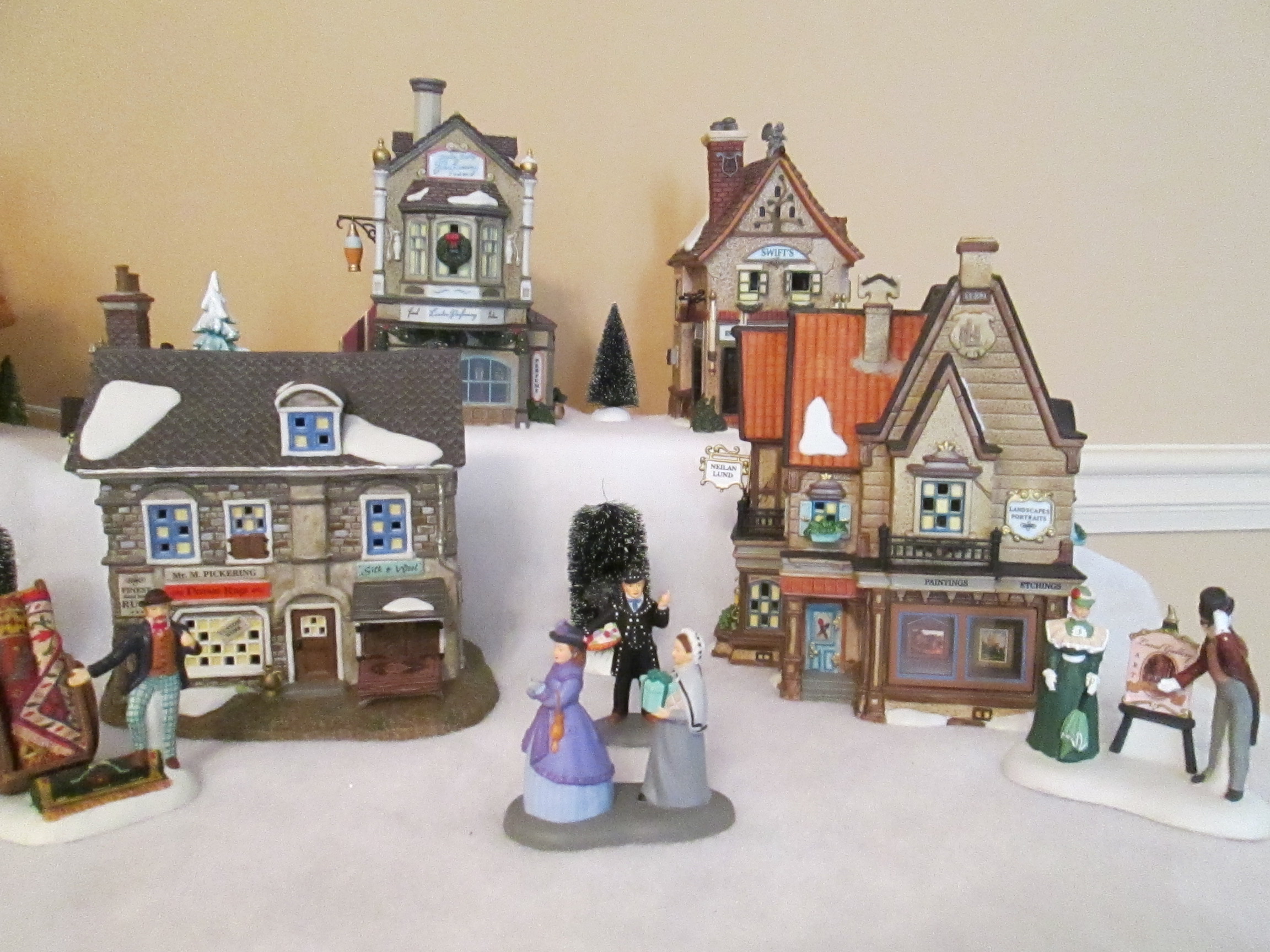
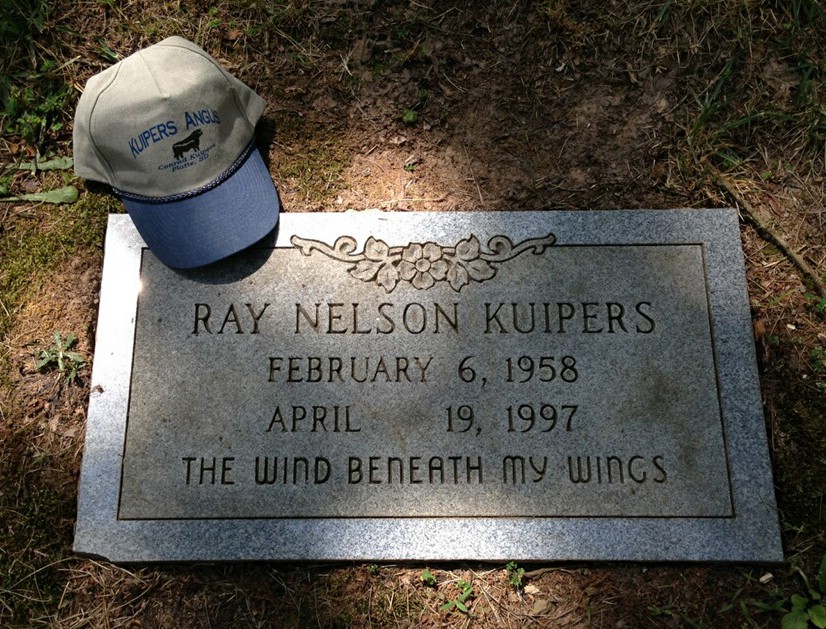
Each year when I set up the Dickens Village my late husband Ray started for me or purchase poinsettias in memory of the last Christmas he worked at Home Depot, tears of sorrow and joy mingle together. Sorrow that he’s no longer here to help me set up the village or see how much it’s grown, but such joy and gratitude for the love and years we shared. As Bonhoeffer observed, the memories are a precious gift in themselves.
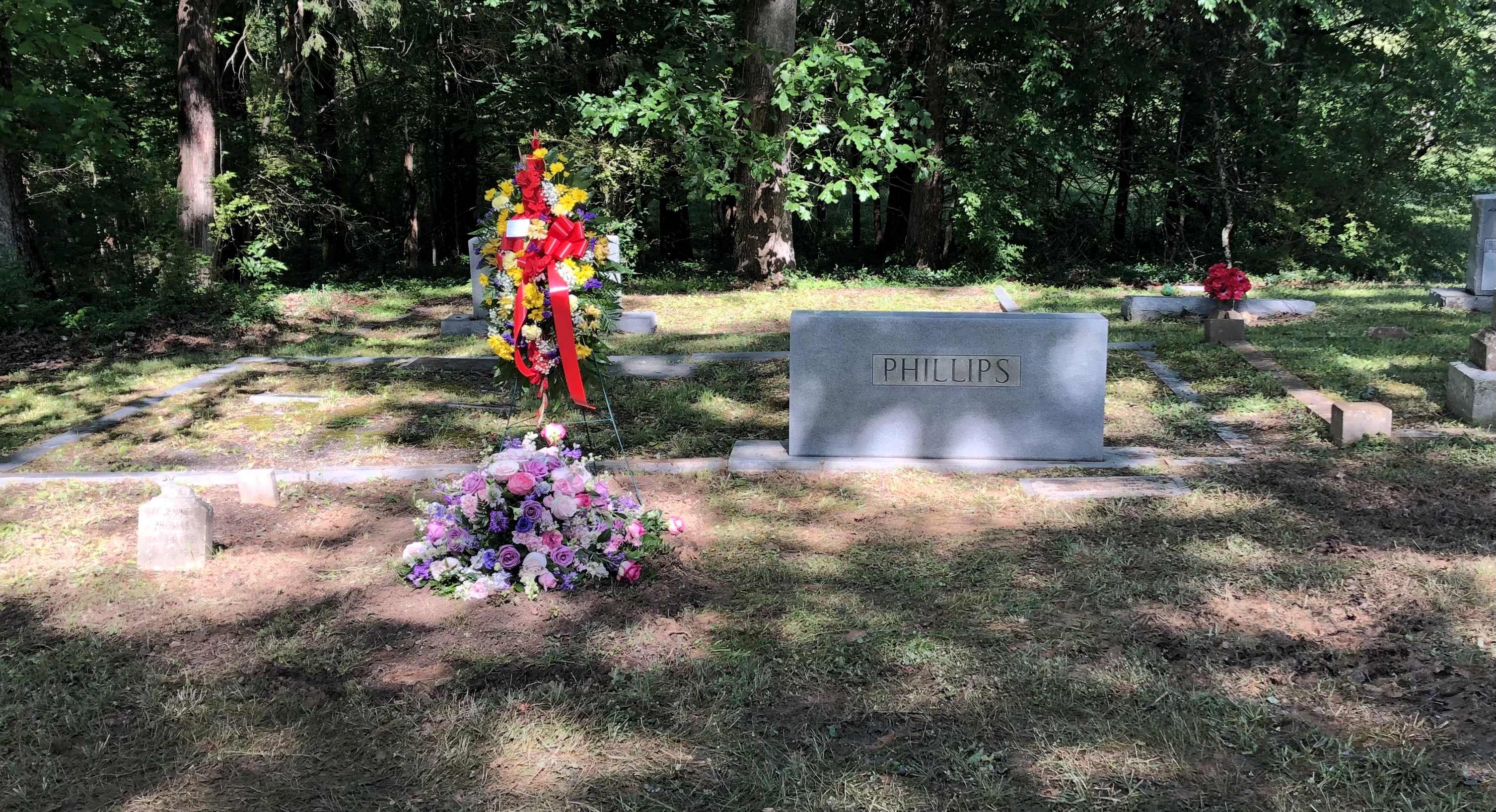
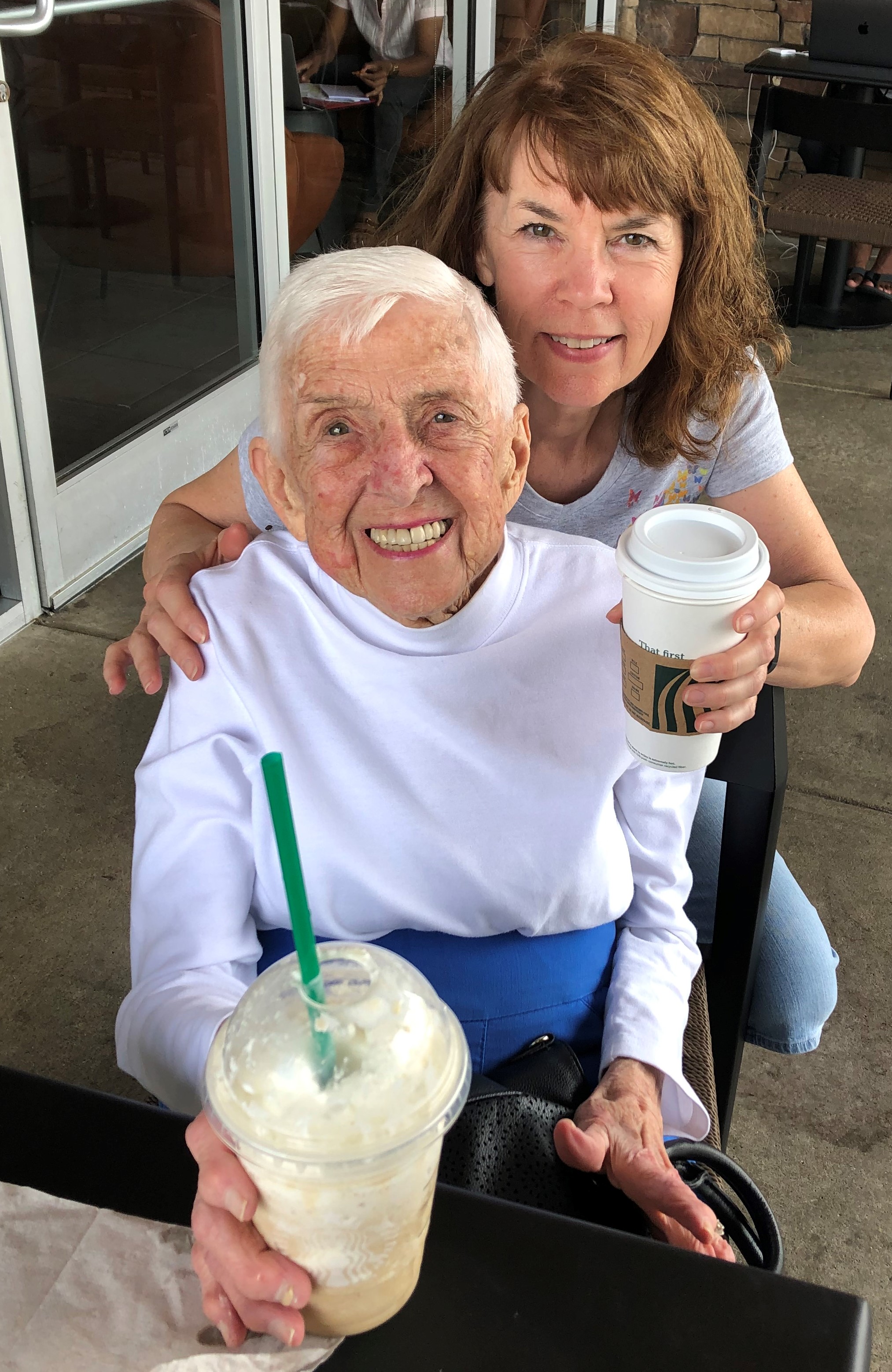
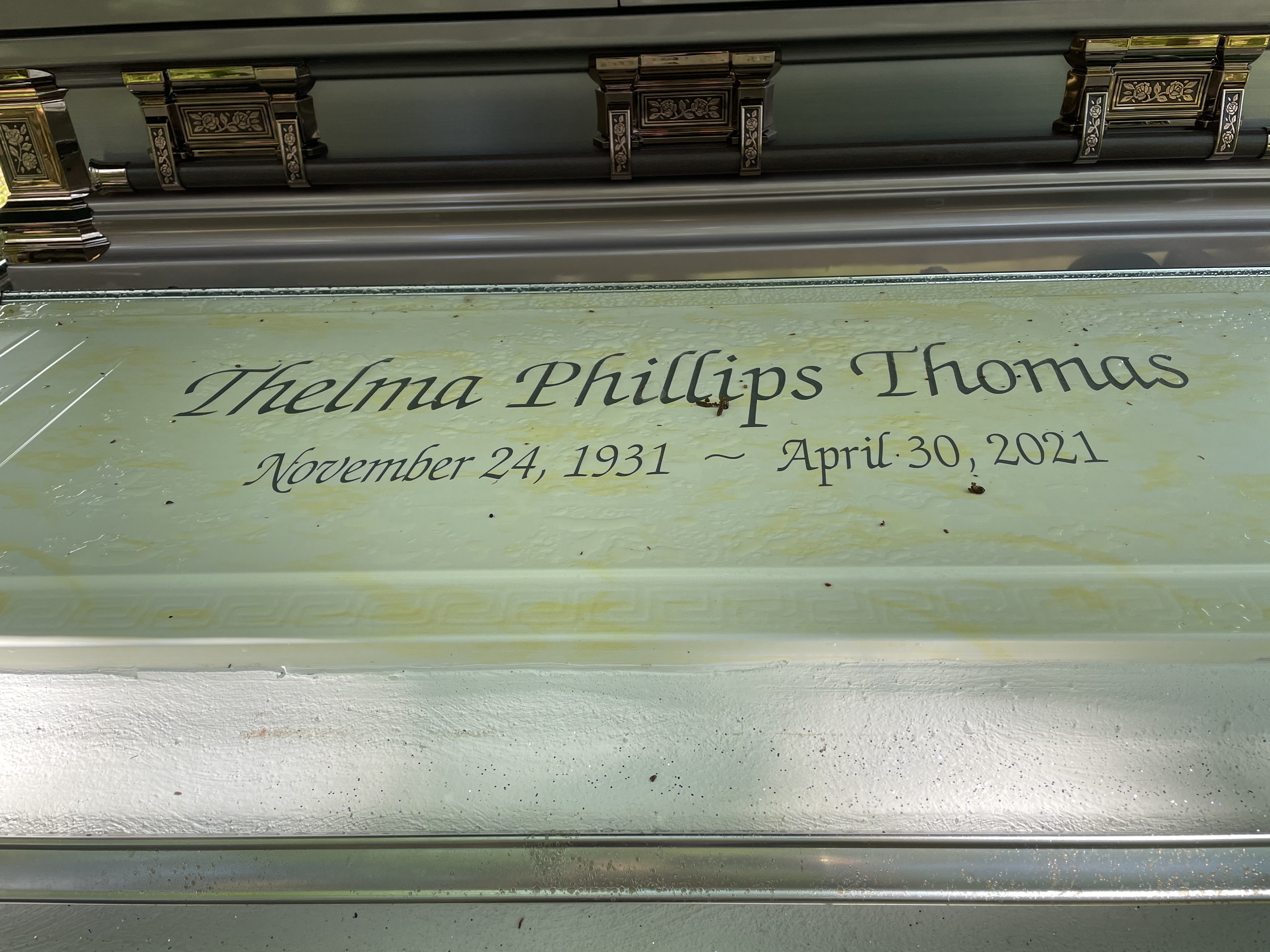
It is the same with Mom. I cherish all the years we had to laugh, love, and celebrate in so many ways. Though she’s no longer physically present, I know she’ll always be with me.
Pass it On
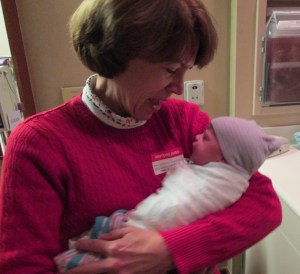
I’m blessed to have three grandchildren to create and share traditions with. But I’m most excited to share the true meaning of Christmas as we celebrate the Light that came into the world. All the love and joy bound up in our celebrations is a reflection of God’s great love and an outpouring of thanksgiving for the blessings we have in Christ. Because He came as a tiny baby, lived a sinless life, and died on our behalf, death doesn’t have the final say. The circle of love is unbroken. And one day, we’ll be reunited around His throne to praise His name together forever.
Heavenly Father, thank You for sending Your Son, the Light of the World, to bring everlasting hope to this dark world. Regardless of the source of darkness – sin, grief, illness, loss – we have the confidence that the darkness will never overcome the Light. Please help us not to hide our light under a basket, but place it on a pedestal for all to see, ever ready to share the reason for our hope.
[1] “Advent: Having Hope and God With Us in This World,” Pastor David Donovan, Grace Covenant Church, November 27, 2021.



 I placed one handful of leaves after another into the big brown yard debris bag. Then, Wait! What’s that? I detected flecks of green amidst the weathered leaf litter. Perennials Ray planted were beginning to emerge from the soil. Seeing those tiny-but-determined plants sparked hope within me. If they could make it through the cold, stark winter, maybe I would survive my season of darkness.
 I suppose I should begin with a confession: I’m an equal-opportunity crier. My eyes are just as likely to well up in moments of joy as in sorrow – while reading sweet sentiments in Hallmark cards, watching heartbreaking news stories, attending weddings or funerals, even when leading Bible study as the magnitude of God’s grace and mercy floods over me. Yes, from a barely-there trickle to gut-wrenching sobs, I’ve shed my share of tears and expect to shed plenty more.
 I’m thankful for the time Ray and I spent together. I’d rather have been married to him for 13 years than not at all. The last card he gave me was a Valentine card. Unlike other memorabilia tucked away in various boxes and file folders, it resides in a special spot on my bookshelf. Lost in my reverie, I retrieved it from its slot and reverently removed it from its well-worn envelope. After savoring the sentiments within, I placed it on the edge of my dining room table which also serves as my desk. There, alongside other tangible reminders of loved ones, it radiated a message of glowing encouragement.
 I grieved, not as a sports fan, but as a widow who knows what it’s like to bid your beloved husband goodbye on an ordinary day, never to see him alive again. Because Ray was called Home at age 39, long before most of the relatives whose loss we anticipated grieving together.
 Back 2 the Garden