Love never ends.
So now faith, hope, and love abide, these three; but the greatest of these is love.
1 Corinthians 13:8, 13
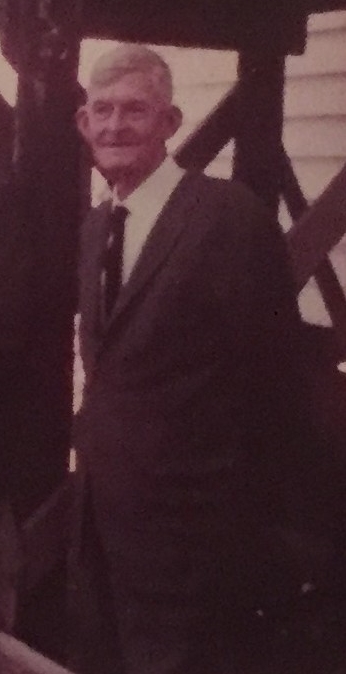
October 25th marked sixty years since my beloved maternal grandfather, PaPa, went to be with the Lord. Even though I was only six at the time, I clearly remember the moment Mom received the news. We were watching an after-school TV show while she ironed. The phone rang, Mom answered, listened briefly, and then wailed, “No, not Daddy!”
Across the intervening decades, I’ve often marveled at the fact that I still feel PaPa’s love so deeply. Remembering his kind, gentle demeanor and the acceptance and security I felt in his presence moves me to tears. Such emotion, despite the fact I didn’t get to spend lots of time with him in the not-quite seven years we were on this earth together.
Since becoming a grandmother fourteen years ago, a desire to love my grandchildren equally well has joined my wonder at the loving bond between PaPa and me, which has transcended the grave.
Cherished Memories
Although I don’t have many distinct memories of time spent with PaPa, I cherish the ones I do have. I recall walking hand in hand with him to the small general store, stopping by the post office to check Box 73 for mail, and waiting for the train to come by so we could wave to the conductor and count the cars.
But my favorite activity was eating apples with him. PaPa would sit me on his lap, producing an apple in one hand and his pocketknife in the other. He’d cut a slice for me, then a slice for himself. The process would continue back and forth until we finished the tasty fruit. For as long as I can remember, I’ve eaten an apple almost every day. And when I do, I always think of my grandfather.
Shared Memories
My mom’s recollections and those of several of my cousins, who were blessed to live in the same community as my grandfather, supplement and reinforce mine.
Mom was the baby of her family, the youngest of eight siblings, and her father’s darling. He called her “Babe,” warmed her clothes by the fire before she went to school on cold mornings, and waited for the bus to drop her off in the afternoons.
Mom recounted how her mother, sterner in her demeanor, would occasionally delegate the task of disciplining a wayward child to my grandfather. He would take the offending party outside, beyond her view, and tell the child to cry out while he used the switch on some inanimate object instead of their legs.
One cousin shared how PaPa would bring her paper dolls from the general store, while another recalled how he reveled in helping PaPa in his garden. Still another has memories similar to mine of sharing apples, slice by slice, sitting in his lap.
The common denominator in all our reminiscences? The unconditional love we felt in PaPa’s presence.
Building Memories
As I reflect on our shared memories, it’s clear that none of them involve grand events, expensive vacations, or exotic destinations. Sharing life and simple rituals – like eating apples, counting train cars, and working together in the garden – feeling safe and accepted, have connected generations of our family.
I’m blessed and thankful that my grandchildren live close by and that I’ve seen them several days most weeks since they were born. Even though we have made memories during beach trips and other wonderful vacations, we treasure our own little rituals, including sharing apples and gardening. I pray that they, too, feel safe and accepted in my presence and will be able to feel my love long after I’m gone.
Shared Faith

The most significant gift PaPa shared was his faith. I’ve wondered whether he was the first in his family to trust in Jesus, or whether he was following in the footsteps of his forefathers. Regardless, PaPa was a faithful member of the small rural church within sight of his house, where he served as a deacon. Memories of attending church with him, going to Sunday school in the same room Mom did when she was a child, and visiting with relatives in the churchyard after the service are lovingly tucked in my mind beside those I shared earlier.
Carrying on our family’s legacy of faith is my highest calling as a grandmother. I endeavor to weave God into our conversations and experiences (Deuteronomy 6:6-7), pointing my grandchildren to the One Who created this great big, beautiful world and loved them enough to send His Son to die for them (John 3:16). It is a blessing and a privilege to come alongside their parents as they raise them in the discipline and instruction of the Lord (Ephesians 6:4). And what a joy to worship side-by-side on Sunday mornings, our voices united in prayer and song!
Promised Reunion
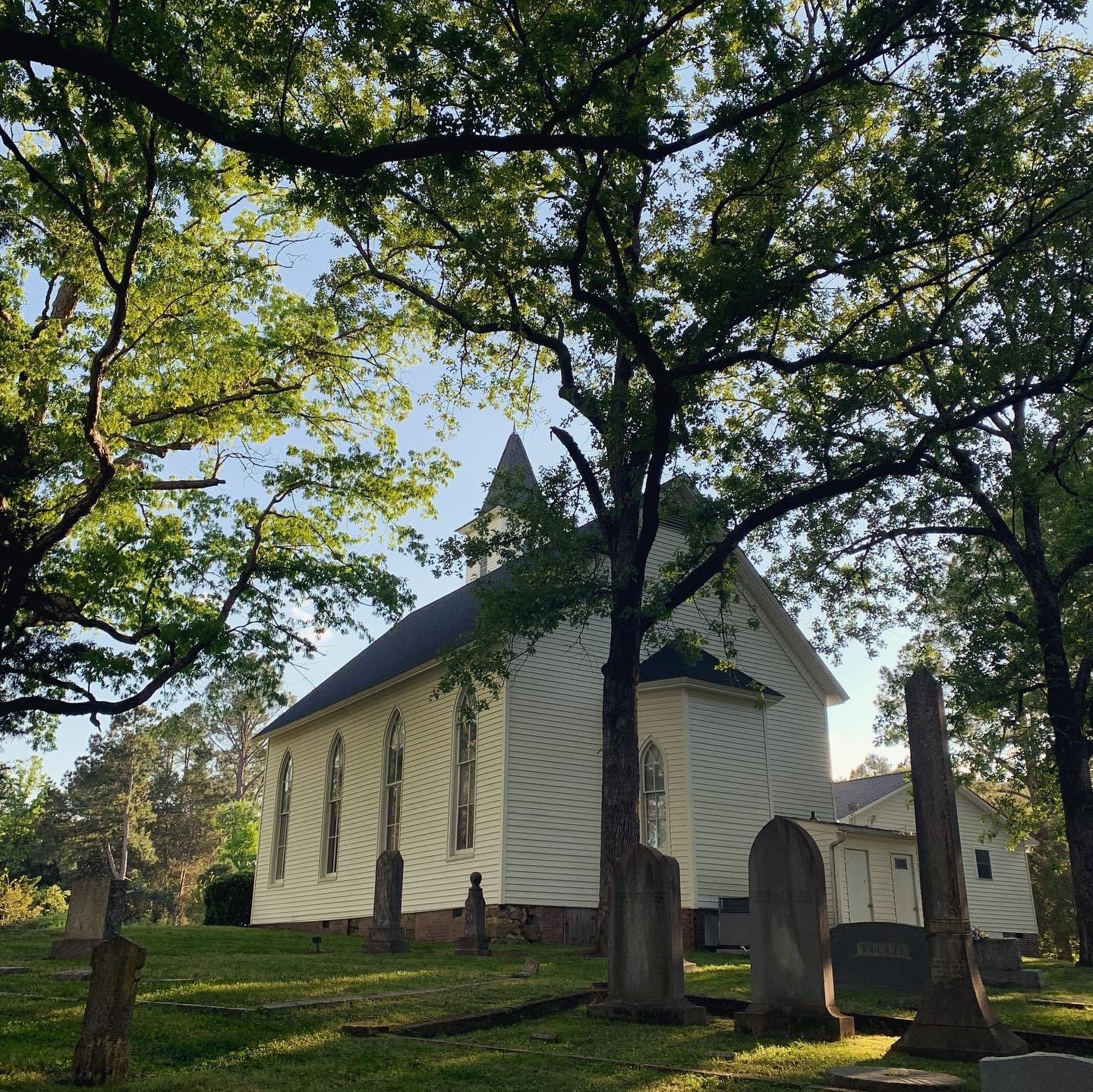
I don’t get to visit the humble graveyard where my grandparents and many other maternal relatives are laid to rest nearly as often as I’d like. My husband, Ray, is resting there, too, near my sister, Mary Jeannette, who died in infancy. Mom took her place between them three years ago, leaving a space for me. Dad joined them most recently.
When I do visit the cemetery, I gaze at the tombstones, each representing someone I love and long to see again, pondering how glorious it will be when we all rise to new life, a life that will never end (1 Thessalonians 4:13-18). For the love we share now is but a shadow of the Love that awaits when the Everlasting Arms reach out to embrace us and welcome us Home (1 Corinthians 13:4-13).
Until then, I’ll remain thankful for familiar rituals, like eating apples with my grandchildren, and rock-solid faith, lovingly shared, that can reach across the decades, blessing one generation after another.
O Lord, how great are the gifts of familial love and a heritage of faith! And what a privilege it is to tell the younger generations about Your ceaseless love and faithfulness (Psalm 78:1-4). Please help us to be steadfast in doing so, so that they, too, may know the joy and peace of belonging to Your family.
 Our pastor has been preaching through the book of Exodus. The events recorded in the second book of the Bible – the burning bush, the plagues, the parting of the Red Sea, the giving of the Ten Commandments – have been part of my Biblical knowledge for as long as I can remember, dating back to my childhood Sunday school classes. Nevertheless, this ongoing sermon series has yielded a number of thought-provoking insights for now-grown-up me to ponder.
 Back 2 the Garden