“Hear, O Israel: The Lord our God, the Lord is one. You shall love the Lord your God with all your heart and with all your soul and with all your might. And these words that I command you today shall be on your heart. You shall teach them diligently to your children, and shall talk of them when you sit in your house, and when you walk by the way, and when you lie down, and when you rise.”
Deuteronomy 6:4-7
Immersed
When I tell people I lived in Argentina in the early 1970s, typical questions about life in a foreign country usually arise, followed by my well-practiced answers. Being so far from family and friends in an era when communication was limited to snail mail was difficult. However, the opportunity to experience a different culture and learn a second language was priceless.
Our 2-year adventure abroad began when my dad accepted a temporary transfer to work for his U.S. employer’s Argentine subsidiary. As part of pre-move preparations, my parents attended a 2-week, company-paid, total-immersion language course at a local Berlitz school. It was a grueling, breakfast-to-bedtime grind with no English allowed.
Unlike my beleaguered parents, I began my language studies after we landed in Argentina. I attended an American school where I took math, language arts, and history in English in the morning and language arts and Argentine history in Spanish in the afternoon. That, along with daily interaction with native speakers in our community, provided an excellent learning environment.
Just as I benefited greatly from learning Spanish in a Spanish-speaking country, Christians thrive best when we’re part of God’s visible church. Scripture is clear that each of us has a vital, God-ordained place in His body and that we should not neglect meeting together (Hebrews 10:25). Furthermore, like biological families, God’s family includes members of varying ages, abilities, and spiritual maturity. We are called to do life together in compassionate covenant communities, where we rejoice with those who rejoice, mourn with those who mourn (Romans 12:15), and come alongside one another to teach, support, and encourage according to the gifts the Spirit has sovereignly apportioned to us (1 Corinthians 12:4-7).
Second Nature
I don’t remember how long it took, but one day, to my amazement, I realized I could speak and respond in Spanish without first mentally translating into English. The second language had become second nature.
And so it is with our spiritual transformation. Because of Jesus’ atoning sacrifice on our behalf, we’re no longer slaves to sin. Instead, we’ve become slaves to righteousness (Romans 6:17-18). Through the Spirit’s power at work within us, we’re able to discern what is right and true, something we could never do when we were dead in our trespasses. As our sanctification progresses, Christ’s light shines ever brighter in us, and we produce spiritual fruit (Galatians 5:22-23). More and more, our renewed nature becomes second nature as we seek to please God and abide in Him.
Nonetheless, aspects of our old selves will persist until God calls us Home, as Paul eloquently describes in his letter to the Romans (Romans 7:18-23). So we press on to become fluent in God’s ways by studying His Word, praying, and joining with fellow believers to worship Him and stir one another to love and good works.
Telling Coming Generations
Even now, more than five decades later and without daily use, I spontaneously sprinkle Spanish sentences into conversations with my grandchildren. They’ve grown used to these linguistic detours and know that an immediate translation-repetition-translation mini-lesson is sure to follow. I can speak Spanish, though not flawlessly. I still have trouble rolling my Rs and mix up verb tenses, but I enjoy the language and sharing it with my grandchildren.
Even more, I savor sharing our Savior with them, though I’m far from perfect when it comes to fluency in my Christian walk as well. But I pray I’ll always be faithful to spontaneously sprinkle His ways and words into our activities and conversations, pointing them to the only perfect One who loves them infinitely more than I do, and encourage them to take their places in His family. May His nature become increasingly second nature for us all.
Epilog
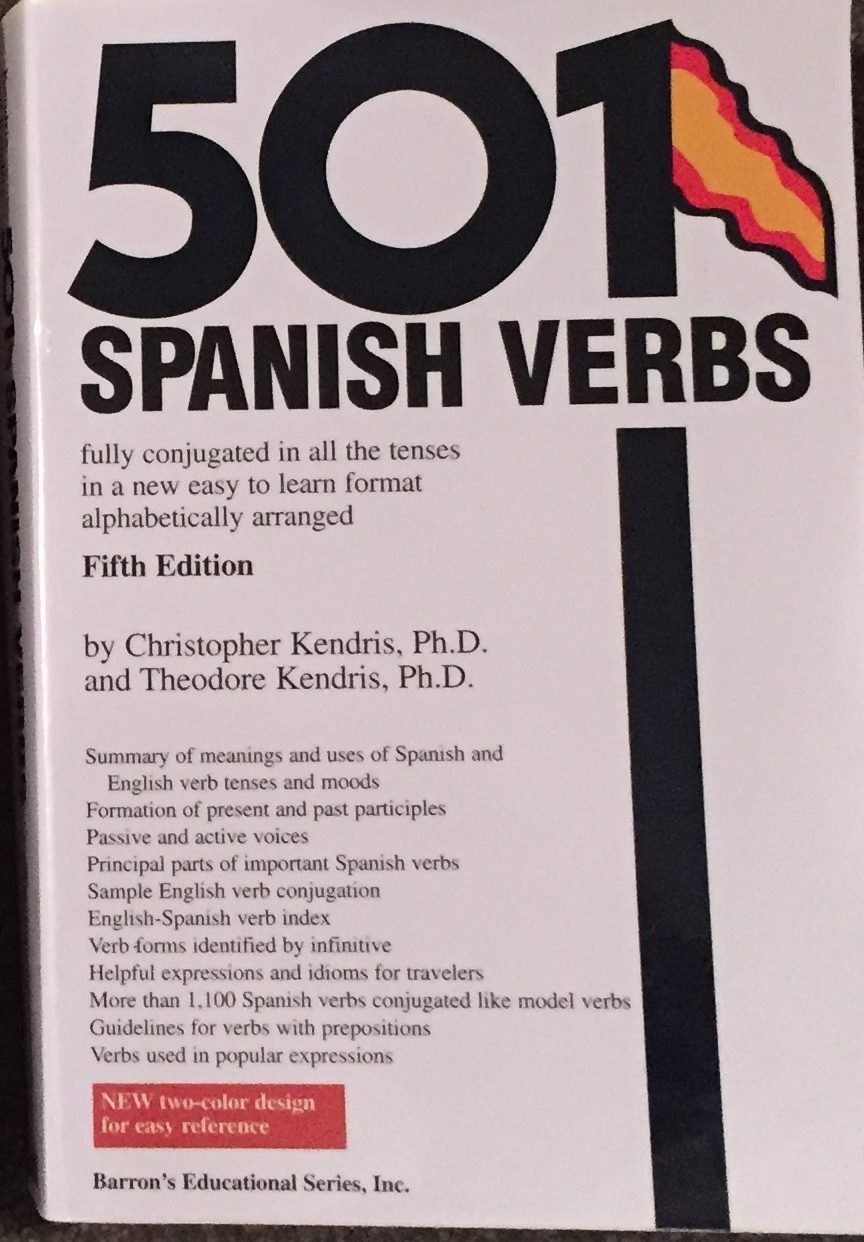
When my grandson began a hybrid education model several years ago, my daughter asked if I could formalize my Spanish instruction. Instead of random bits of conversation, Joshua and I began working through the study guides Mary ordered. We did well with vocabulary. I even learned some new words. But when it came to teaching verbs, I was stymied. Try as I might, I couldn’t make much headway explaining subject-verb agreement or tenses.
Even though snippets of Spanish still peppered conversations with my grandchildren, I felt like a failure. That is, until Joshua returned to a traditional school setting several months ago. One day, I asked how Spanish class was going. Imagine my delight when he replied, “Grammie, other than the teacher, I understand more than anyone else in the class, even people who’ve taken Spanish before.”
Those bits of conversation, beginning with “puffs de queso” and “pescados dorados” when Joshua was still in his high chair, made a difference after all. That gives me great hope that the conversations we’ve had about plants and animals, and about our loving heavenly Father who created them, have made a difference too.
Just as Joshua’s teacher will instruct him in the finer points of speaking the language, others will teach him the particulars of doctrine and theology and what it means to be a man of God. I will be forever grateful for the privilege of sharing stories about how God has been faithful to our family, so that Joshua, too, might tell future generations about the mighty deeds of the Lord (Psalm 145:4).

