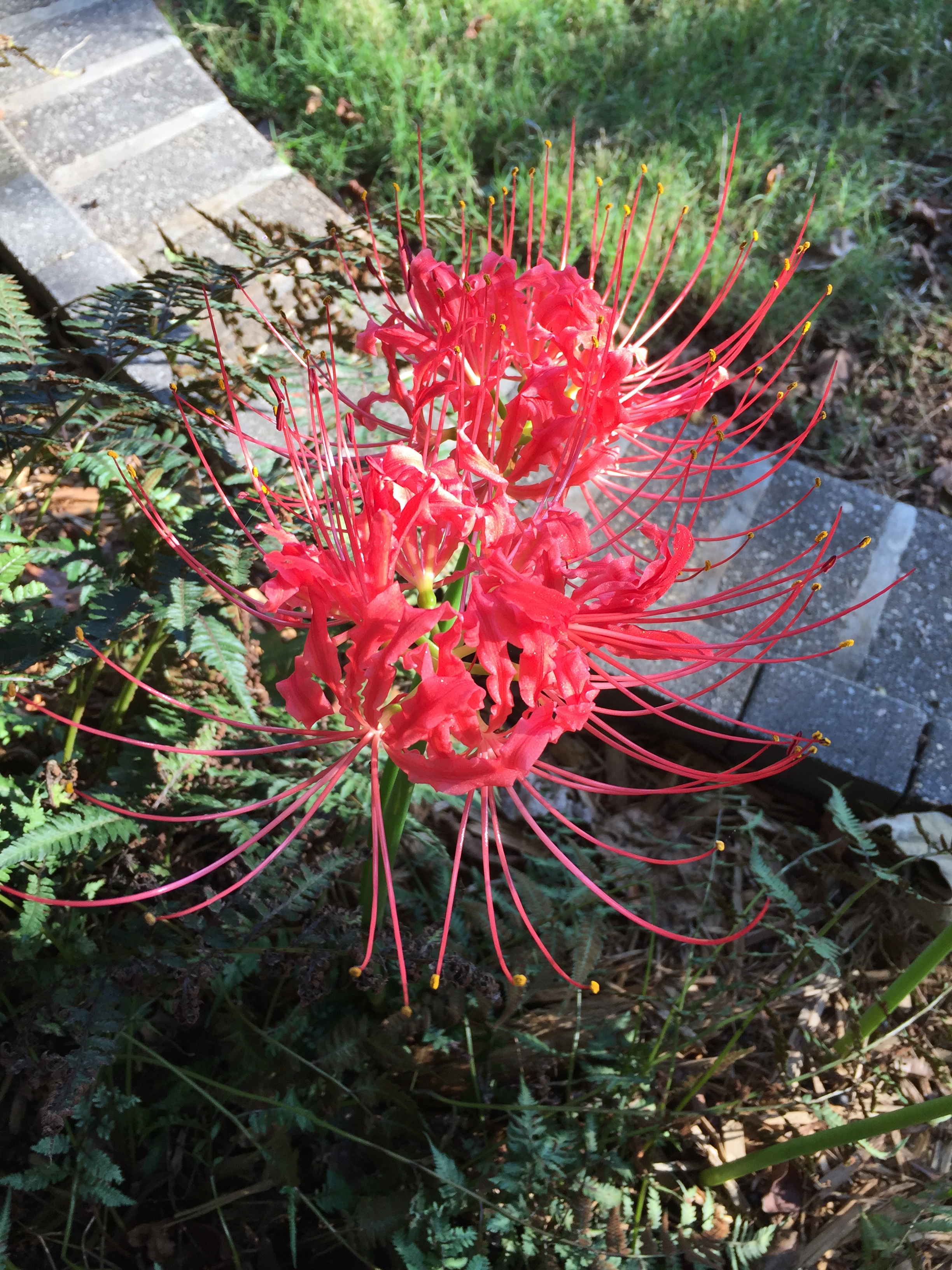
Flowers or Weeds?

Rejoice always, pray without ceasing, give thanks in all circumstances; for this is the will of God in Christ Jesus for you.
1 Thessalonians 5:16-18

What do you see?

When you walk through a garden, are you more likely to see the flowers or the weeds? I’ve come to think of that question as the gardener’s version of seeing a glass as being half-empty or half-full.
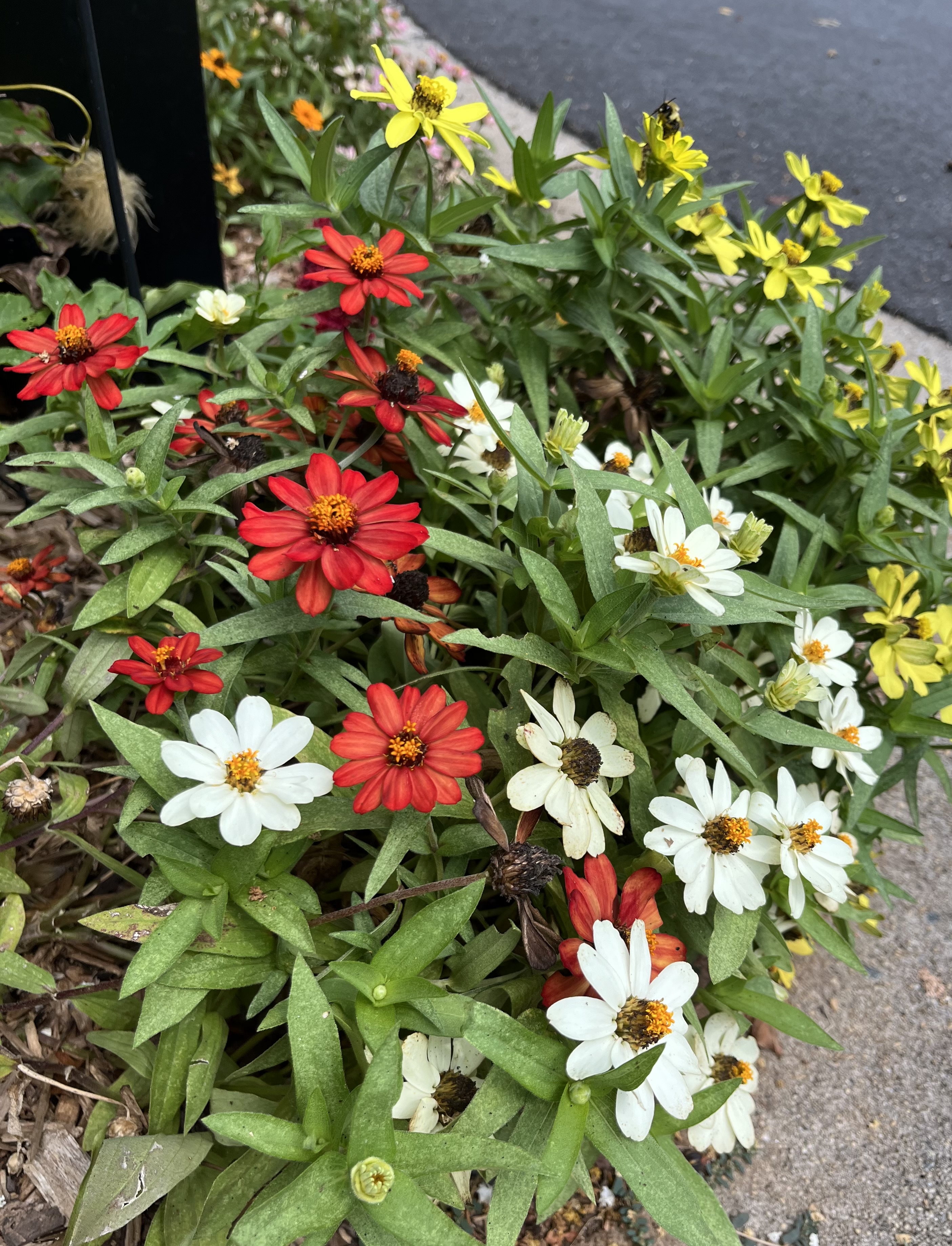
On any given day, visitors to my garden can find both lovely sections festooned with flowers and unkempt patches needing my attention. My 5-year-old neighbor, Billy[1], tends to focus on the latter, zeroing in on weeds and, this time of year, unraked leaves. Though I attempt to take my young friend’s comments in stride, they sometimes sting. Try as I might, I can never stay ahead of the weeds.

Recently, Billy’s father overheard him pointing out some things that weren’t to his liking. Seeing a teaching moment, he came over and said, “How do you think it makes Ms. Patsy feel when you say things like that? How would you feel if someone came over to our yard and said the same thing?”

Eyes downcast, Billy replied, “Sad,” then quickly changed the subject.

A Proposal

But, in an effort to help him learn to see the beauty, I made a deal with him – “For every thing you tell me you don’t like about my garden, you need to tell me something you do like. How about that?”

We haven’t been outside at the same time since, so I’m not sure if my proposal will stick. Regardless, as I was reviewing our conversation, the Spirit gently convicted me. “How often do you focus on what’s irritating you or not to your liking, instead of on the blessings and provisions God has poured out on you?”

Ouch! That nudge led me to challenge myself with the same proposal I had given Billy: each time I complain, I need to thank God for a blessing. Could it be that with practice, the complaints will decrease and the praise increase? I hope so! Because ultimately, when I’m grumping about something that’s not to my liking, I’m complaining against God.

Fellow Complainers

It’s so easy to read the account of the Israelites’ wanderings and think, “What’s wrong with these people? They’re always grumbling!”

They’d seen God part the Red Sea, ensuring their deliverance from Pharaoh (Exodus 14:21-29). Yet, it wasn’t long before they were hangry, wishing they were back in the land of their captivity, where they “sat by pots of meat and ate their fill of bread” (Exodus 16:3). God provided manna (Exodus 16), which they tired of and began clamoring for meat. He rained down quail – accompanied by a plague because of their incessant whining (Numbers 11). They demanded water, which God miraculously supplied, not once, but twice (Exodus 17:1-7; Numbers 20:1-11).

Still, they muttered.

Though I’m apt to scoff at the Israelites for their griping, I recognize that I’m equally capable of being discontent. When I focus on circumstances I wish were different or long for things I don’t have, I, too, am dishonoring the Giver of all good gifts (James 1:17), the One who didn’t withhold His only Son (Romans 8:32), and has given me everything I will ever need in Him (Philippians 4:19; 2 Peter 1:3).

Perspective

It remains to be seen whether or not Billy will remember our conversation and his father’s counsel. I, however, have been practicing seeing the flowers instead of the weeds in my daily life, trusting my heavenly Father to remind me of my commitment to do so should I start to lose focus. By the power of the Spirit, I will endeavor to rejoice always, pray without ceasing, and give thanks in all circumstances (1 Thessalonians 5:16-18).

Dear Lord, thank You for the brief encounter with my little neighbor, a reminder that I, too, can fall prey to negativity. You have not withheld any good thing from me. Please help me remember that when I’m tempted to complain.


[1] Name has been changed.
Finding Hope in My Garden

Often, when I’m working in my garden, a spiritual tie-in will occur to me. Such was the case last week.

The perennials are winding down for this year, looking rather bedraggled after enduring weeks of hot, dry weather. Soon, many of them will drop their leaves or die back completely to the ground. I’ll help others by removing this year’s growth so they can rest over the winter. But even as the plants are completing another cycle of flourishing, they’re preparing for the next.

Seeds

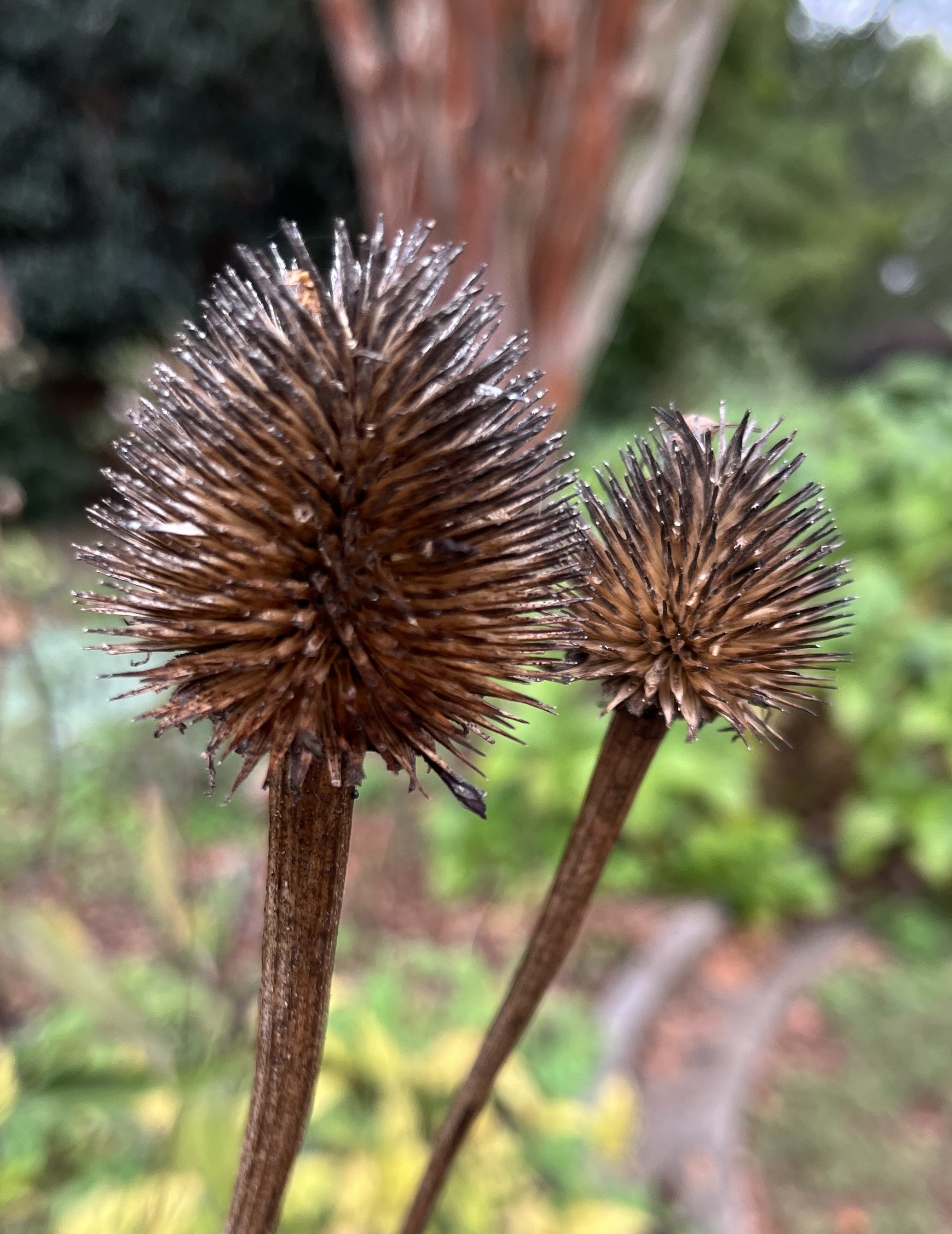
Seed heads have formed on numerous plants, including ornamental grasses, butterfly weed, coneflowers, and black-eyed Susans. Some of the seeds will land in a favorable place, germinate, and produce new plants, while others provide food for hungry birds. Still others can be shared with fellow gardeners.  

As I survey the variety of seeds adorning the plants, harvest some to share and leave the rest to reproduce or feed the birds, I’m reminded of God’s promise after the flood, “While the earth remains, seedtime and harvest, cold and heat, summer and winter, day and night, shall not cease.” (Genesis 8:22)

I’m also challenged. How am I sharing the bounty of spiritual blessings and wisdom God has imparted to me? Am I planting seeds that will bear spiritual fruit even after I’m gone? Am I sharing bits of Biblical wisdom to nourish fellow believers?

Buds

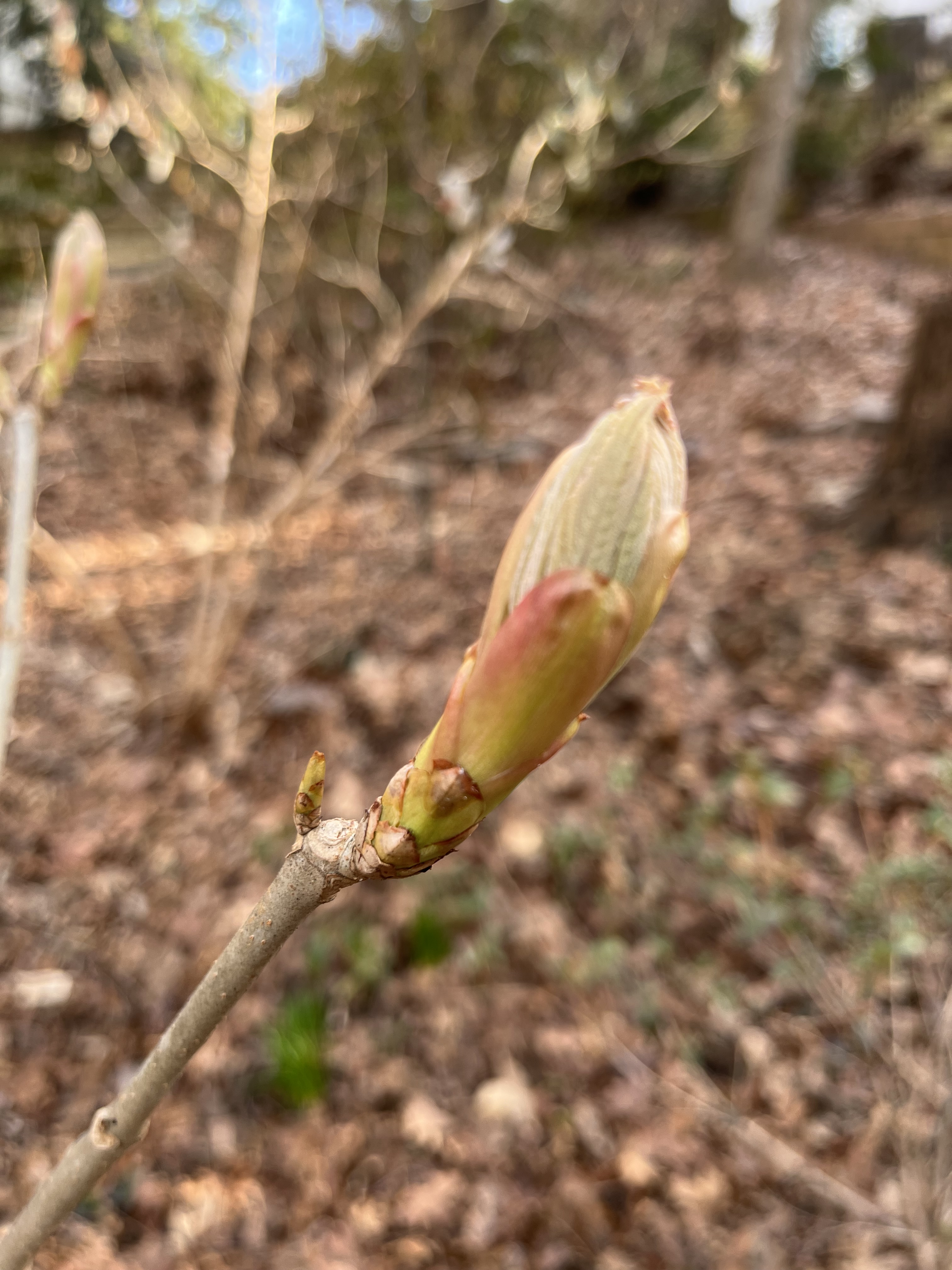
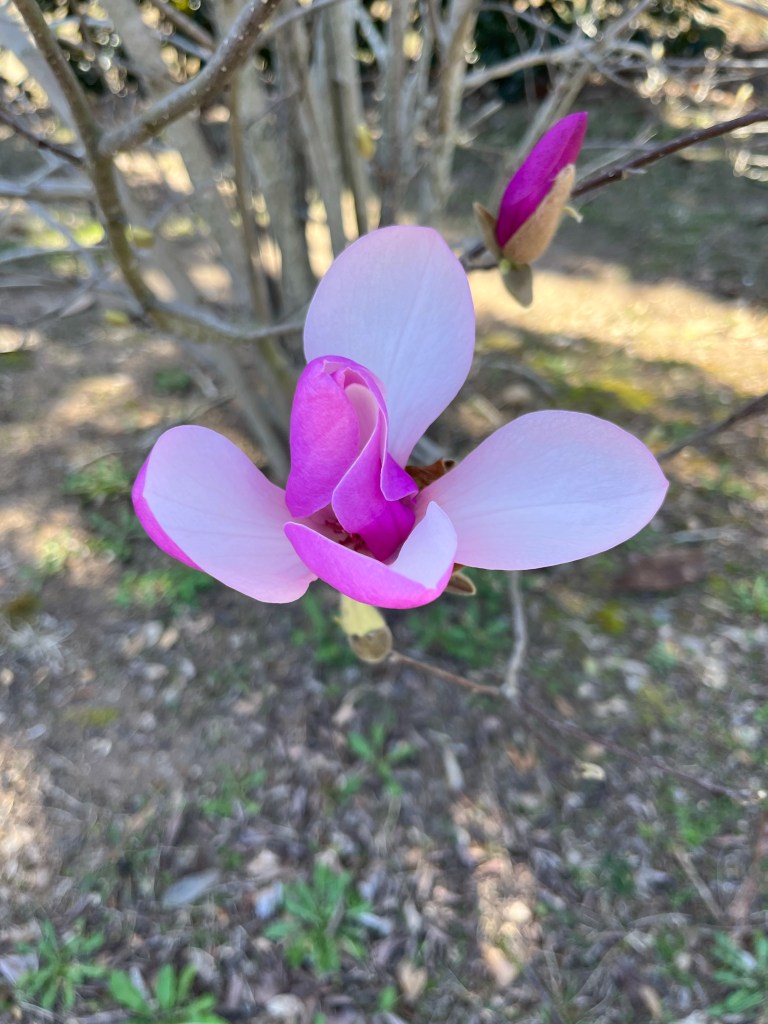
And then there are buds that have already formed on spring-blooming plants, the promise of future flowers when the conditions are right. The buds remind me that we’ve been sealed with the Holy Spirit, the guarantee of our inheritance in Christ (Ephesians 1:13-14). Just as the buds are waiting to blossom, we too are awaiting our glorification, knowing that when Jesus appears, we shall be like Him, because we shall see Him as He is (1 John 3:2).

Bulbs

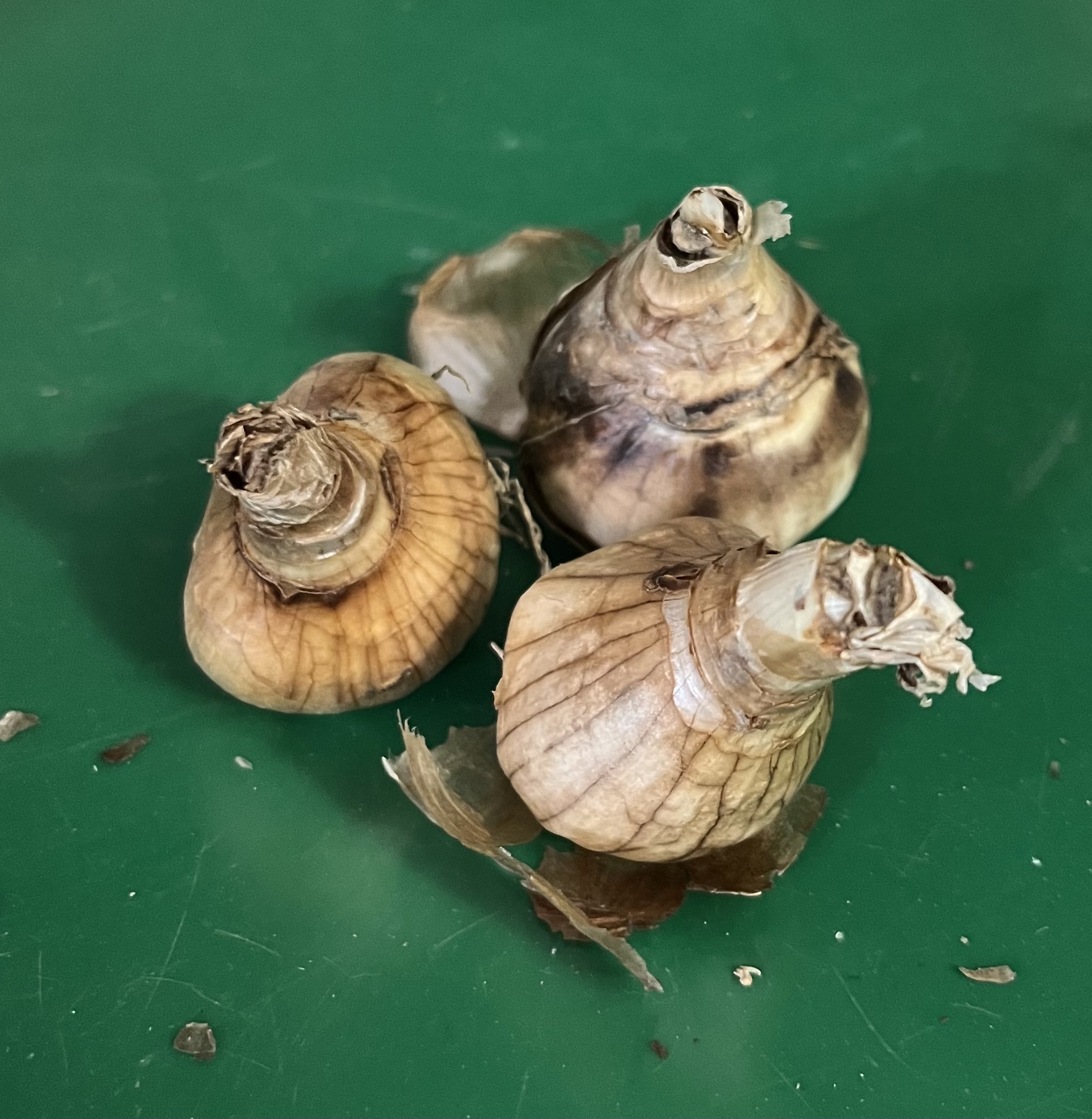
Bulbs are mysterious. It takes faith to believe the homely yet intriguing packages will one day produce something beautiful. Inspecting the daffodil bulbs I purchased a few days ago, I was reminded of the assurance that one day, most likely after a period of resting in the ground unless Jesus returns first (1 Thessalonians 4:13-18), my perishable body will be raised to glory, imperishable:

Behold! I tell you a mystery. We shall not all sleep, but we shall all be changed, in a moment, in the twinkling of an eye, at the last trumpet. For the trumpet will sound, and the dead will be raised imperishable, and we shall be changed. For this perishable body must put on the imperishable, and this mortal body must put on immortality. When the perishable puts on the imperishable, and the mortal puts on immortality, then shall come to pass the saying that is written:

“Death is swallowed up in victory.”
“O death, where is your victory?
O death, where is your sting?”
1 Corinthians 15:51-55

Hope in Him!

In a few months, springtime will return to the little plot of ground God has entrusted to me, exuberantly pointing us toward Jesus’ return when all things will be made new and all of creation will praise Him. Until then, I will make note of the evidence of things to come, resting in the assurance that God will fulfill all His promises.

Dear Lord, thank You that Your invisible attributes, namely, Your eternal power and divine nature, have been clearly perceived, ever since the creation of the world, in the things that have been made (Romans 1:20).

Hugs

The Lord is near to the brokenhearted and saves the crushed in spirit.        
Psalm 34:18

Bedraggled

I’ve lived in Georgia long enough to know gardening can be a challenge as summer draws to a close. This year is no different. I can barely set foot outside without becoming mosquito bait, I’ve had less than half an inch of rain in the past month, and only the most heat-loving of my plants are tolerating the hot, dry conditions. The rest look tired and bedraggled, a reflection of how I’ve been feeling. (See my last post, “What a Friend,” for more on that subject.)

I’ve spent hours moving the sprinkler around the past couple of weeks in hopes of helping my plants survive until it eventually rains. One recent morning, as I went out to turn the water on, my butterfly weed caught my eye.

“Just great. Now something’s been eating my butterfly weed.”

Merry Munchers

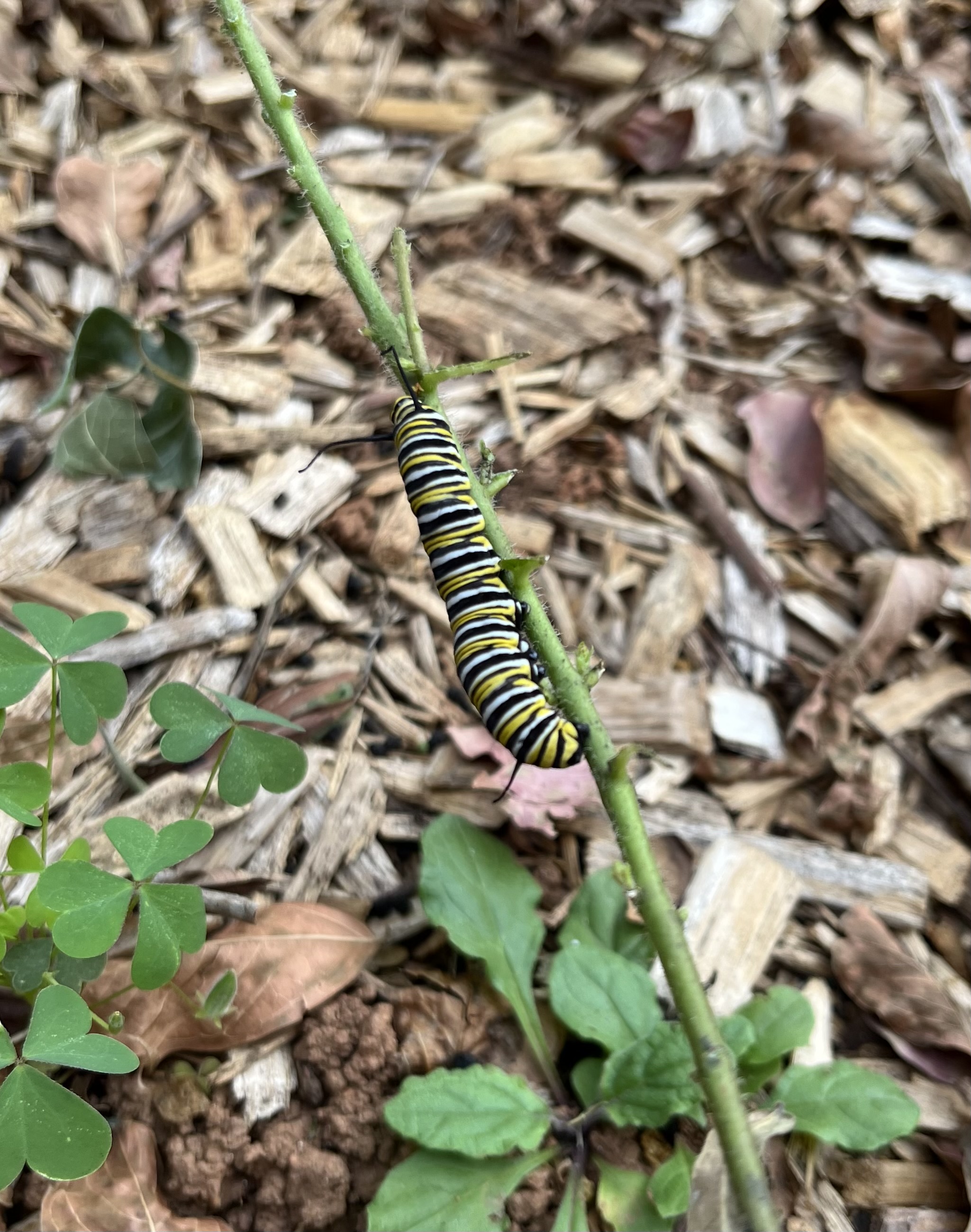
Then it dawned on me. “Something’s been eating the butterfly weed!” Sure enough, upon closer inspection, I spied a nearly-grown Monarch butterfly caterpillar methodically munching on one of the few leaves remaining on the plant.

Thrilled, I crossed the driveway to check the butterfly weed planted on the other side. Those plants were almost stripped bare, too, but there were three tiny caterpillars chewing through the tough remains.

My dear friend Susan Hunt refers to such encounters as “heavenly hugs,” those specific touches that remind us that God knows each of His children intimately.

Preoccupied

How could I have missed seeing the caterpillars earlier? I’m usually so observant when I’m in my garden, intentionally searching for treasures that I imagine my heavenly Father placing here and there, then watching with anticipation, waiting for me to find them.

The fact that I hadn’t seen the caterpillars when they first showed up was a clear indication of my gloomy state of mind as I focused instead on the heat, drought, and mosquitoes that were robbing me of the usual joy of being in my garden. Being deprived of that comfort made the other, non-garden concerns even weightier.

Refocus

Seeing the caterpillars reminded me that there had been other treasures in the previous weeks, including a cheerful volunteer sunflower planted by an unknown critter and daily visits from the feisty hummingbird that frequents the black-and-blue salvia near my front door.

A friend, knowing my struggles of the past few weeks, reminded me of the Apostle Paul’s directive in his letter to the Philippians, “Finally, brothers, whatever is true, whatever is honorable, whatever is just, whatever is pure, whatever is lovely, whatever is commendable, if there is any excellence, if there is anything worthy of praise, think about these things” (Philippians 4:8), which followed his mandate, “Do not be anxious about anything, but in everything by prayer and supplication with thanksgiving let your requests be made known to God. And the peace of God, which surpasses all understanding, will guard your hearts and your minds in Christ Jesus” (Philippians 4:6-7).

Our focus matters. The attitude of our hearts matters.

Regardless of our circumstances, God has not left us. He invites us to bring our concerns to Him, thankful for the evidence of His love all around us, confident that He will hear us and grant us His peace, peace unlike any the world can give.

Dear Lord, please enlighten the eyes of our hearts so that we may see your good gifts, reminders of Your great love for us, and a mere foretaste of our glorious inheritance in Christ (Ephesians 1:18).

Put Off and Put On

For those he foreknew he also predestined to be conformed to the image of his Son, so that he would be the firstborn among many brothers and sisters. And those he predestined, he also called; and those he called, he also justified; and those he justified, he also glorified.
Romans 8:29-30 CSB

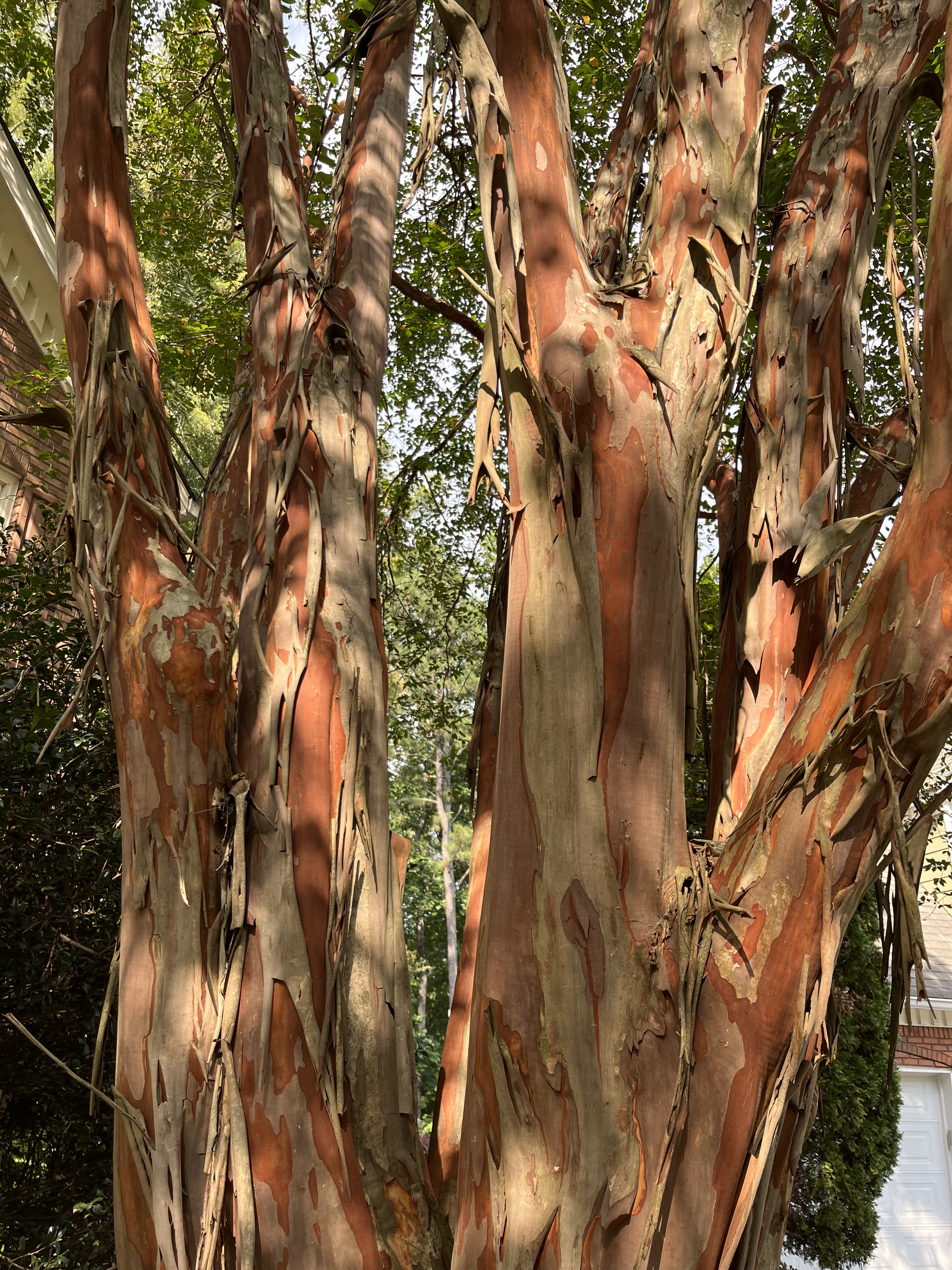
About this time each year, my crape myrtle starts falling apart. At least that’s what it looks like to those who don’t realize the exfoliating bark is one of the cherished characteristics of these beautiful trees. Watching the process reminds me of one of my favorite spiritual principles, that of putting off and putting on. So, once again, I will share it with you, dear readers.

Color Harmony

Throughout most of the years I worked for a large corporation, I held the role of colorist. As such, I developed, named, and presented new carpet color options to our customers. After all the time spent honing my skills at work, I relished the opportunity to choose the interior and exterior colors when we built our home in Georgia.

My late husband’s specialty was horticulture, an equally creative endeavor. When I chose a terra cotta color scheme for the bricks and shutters of our house, I didn’t realize how challenging it would be for him to select the must-have southern plant on our list – a crape myrtle.

Even so, being a skilled horticulturalist, Ray made an excellent choice. Unlike other cultivars whose pink or purple flowers would have clashed with our cinnamon-colored exterior and offended my color sensibilities, the creamy-white blossoms of the now-stately Natchez create a harmoniously floriferous cascade each summer. But the brilliance of Ray’s choice is most apparent in the fall, for it is then that the annual process of exfoliation occurs.

As summer wanes, cracks appear in the bark along the mighty trunk, signaling the coming changes. Soon, the cracks become fissures as the old skin lifts away from the tree before finally letting go entirely, falling to the ground in long, jagged shards. To the uninitiated observer, this series of events may be unsettling. How could such an extreme shedding of bark possibly benefit the plant? Yet that very act allows the trunk to increase its girth and grow stronger. Best of all, it reveals the most magnificent cinnamon-colored covering.

Ray saw the potential in the sapling he planted so long ago. He knew what it could become.

Putting Off, Putting On

There are several concepts that I consider to be spiritual touchstones. One such idea is that of putting off and putting on. In His analogy of an unclean spirit leaving a man only to return to its neat but empty former abode, Jesus made it clear it’s not enough to make a show of getting rid of sinful thoughts and behavior (Matthew 12:43-45). Instead, our repentance must be true, the kind that produces fruit in keeping with our profession of faith (Matthew 3:8), as we put on right thinking and conduct pleasing to God.

The Apostle Paul affirms this teaching in his letter to the Romans, where he encourages his readers not to conform to the world but to be transformed by renewing their minds (Romans 12:2). In his letter to the Ephesians, he goes even further. After admonishing them to “put off your old self, which belongs to your former manner of life and is corrupt through deceitful desires and to be renewed in the spirit of your minds, and to put on the new self, created after the likeness of God in true righteousness and holiness” (Ephesians 4:22-24), Paul goes on to provide specific examples of behavior to put off as well as corresponding replacements:

  • Put away falsehood and speak the truth. (vs. 25)
  • Let the thief no longer steal but perform honest labor. (vs. 28)
  • Do not use unwholesome language, but that which benefits and builds up those who listen. (vs.29)
  • Put away all bitterness, wrath, anger, and every form of malice. Be kind to one another, forgiving one another as God in Christ forgave you. (vs. 31-32)

Refined By the Spirit

Because of Jesus’ sacrifice on our behalf, God already counts us as righteous (2 Corinthians 5:21), but the renovation process is far from complete. We are not yet holy as He is Holy, nor will our makeover be complete until Jesus returns. The Spirit is at work in us, transforming us with the same mighty power that raised Jesus from the dead (Ephesians 1:18-20).

At times, our refinement is painful as God strips away bits of our old nature. Our Savior suffered much (Isaiah 53:3-6). How better to know Him than to endure loss, sorrow, and persecution as He did (Romans 8:17)? Such challenges may cause outside observers or even believers themselves to question God’s methods, but we can trust the One who made us has a perfect plan to work all things together for our good and His glory (Jeremiah 29:11; Romans 8:28).

Just as Ray knew what the crape myrtle could become, given sufficient time and proper care, God knows who He created us to be (Ephesians 2:10). Furthermore, He’s promised to complete the work He’s begun in us (Philippians 1:6) and never to leave or forsake us at any point in the process (Deuteronomy 31:8). The Helper will be with us to remind us of His promises, empower us to do His will, and enable us to persevere to the end (John 14:16-17, 26). On that glorious day when Jesus returns, our transformation will be complete. All vestiges of our sinful selves will disappear, and we will gather around the throne, our new selves robed in white, to forever praise our Redeemer King (Revelation 7:9-17).

Dear Lord, thank You that You are in the process of making all things new, including Your children. Thank You for sending Your all-powerful Spirit who is transforming us from one degree of glory to another until the day we fully resemble our elder Brother, Jesus (2 Corinthians 3:18).

Signs of Life, Reprise

I have been crucified with Christ. It is no longer I who live, but Christ who lives in me. And the life I now live in the flesh I live by faith in the Son of God, who loved me and gave himself for me.
Galatians 2:20

Let All Creation Sing

Some years ago, I attended a horticulture conference where one of the speakers began her talk by saying, “Summer, fall, and winter are seasons. Spring is a miracle!”

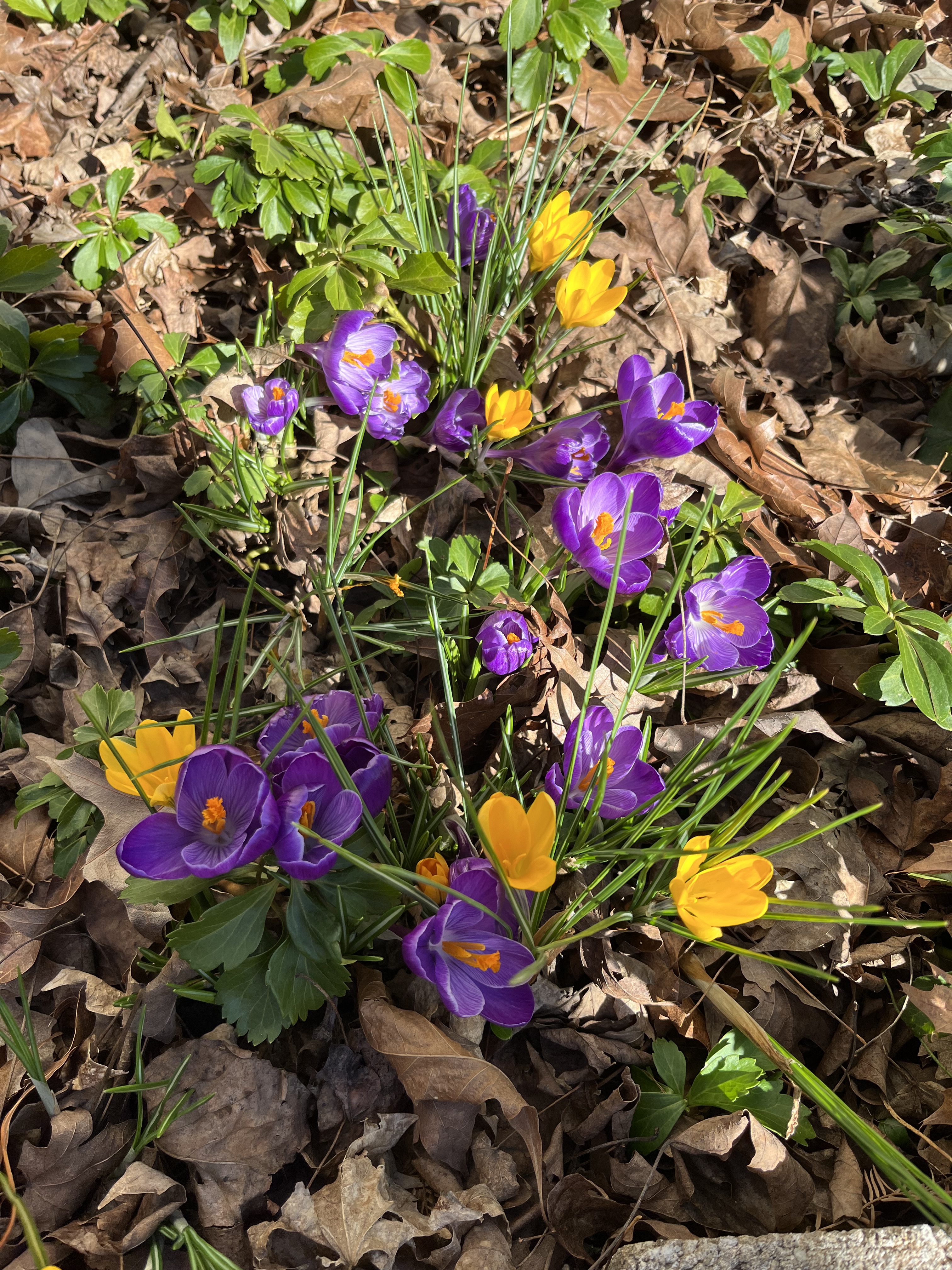
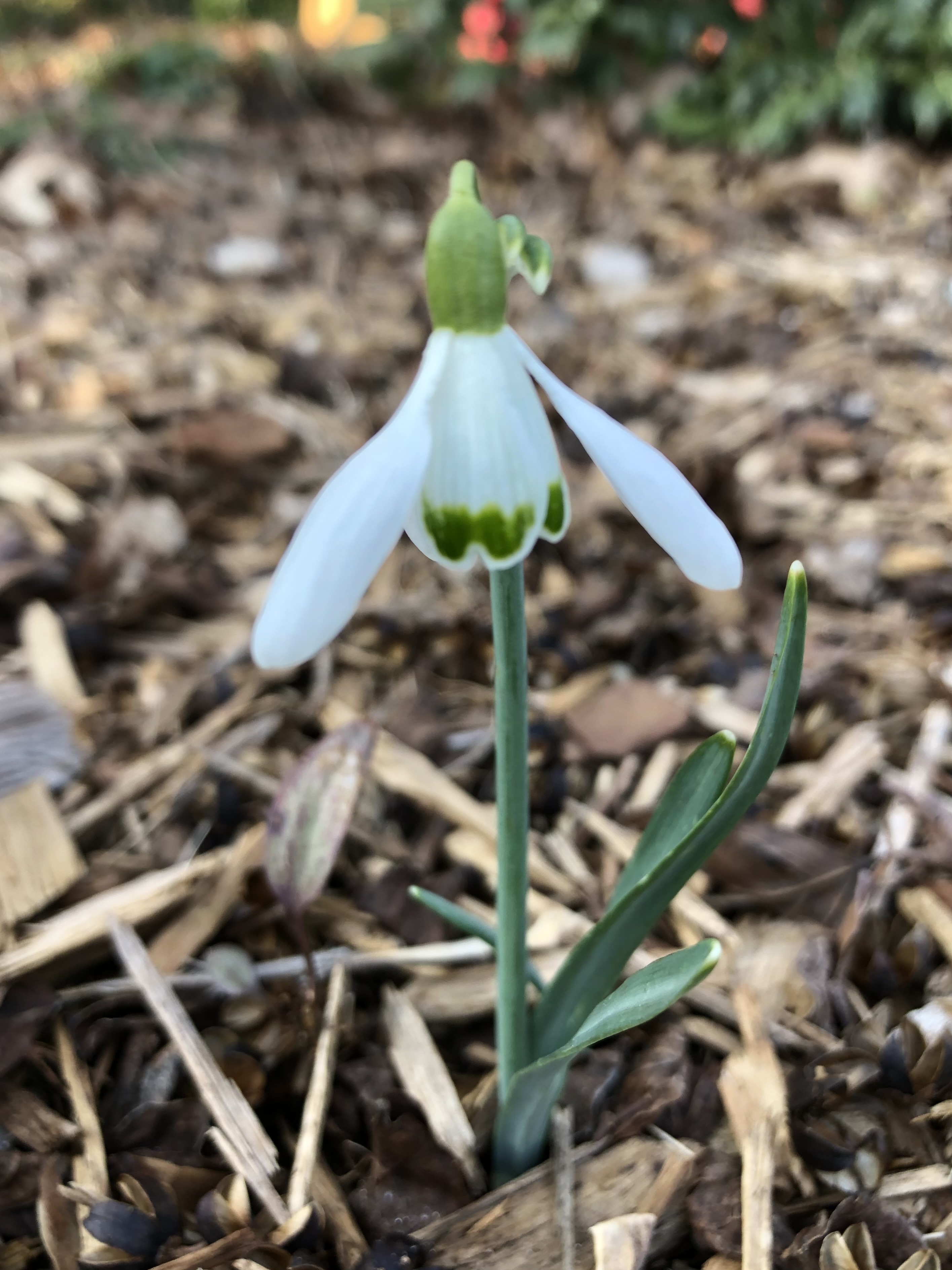
I often think of her comment when we’re on the cusp of spring, anticipating the glorious bursting forth of foliage and flowers when all creation joins in a chorus of praise to the Creator, pointing us to Jesus’ resurrection.

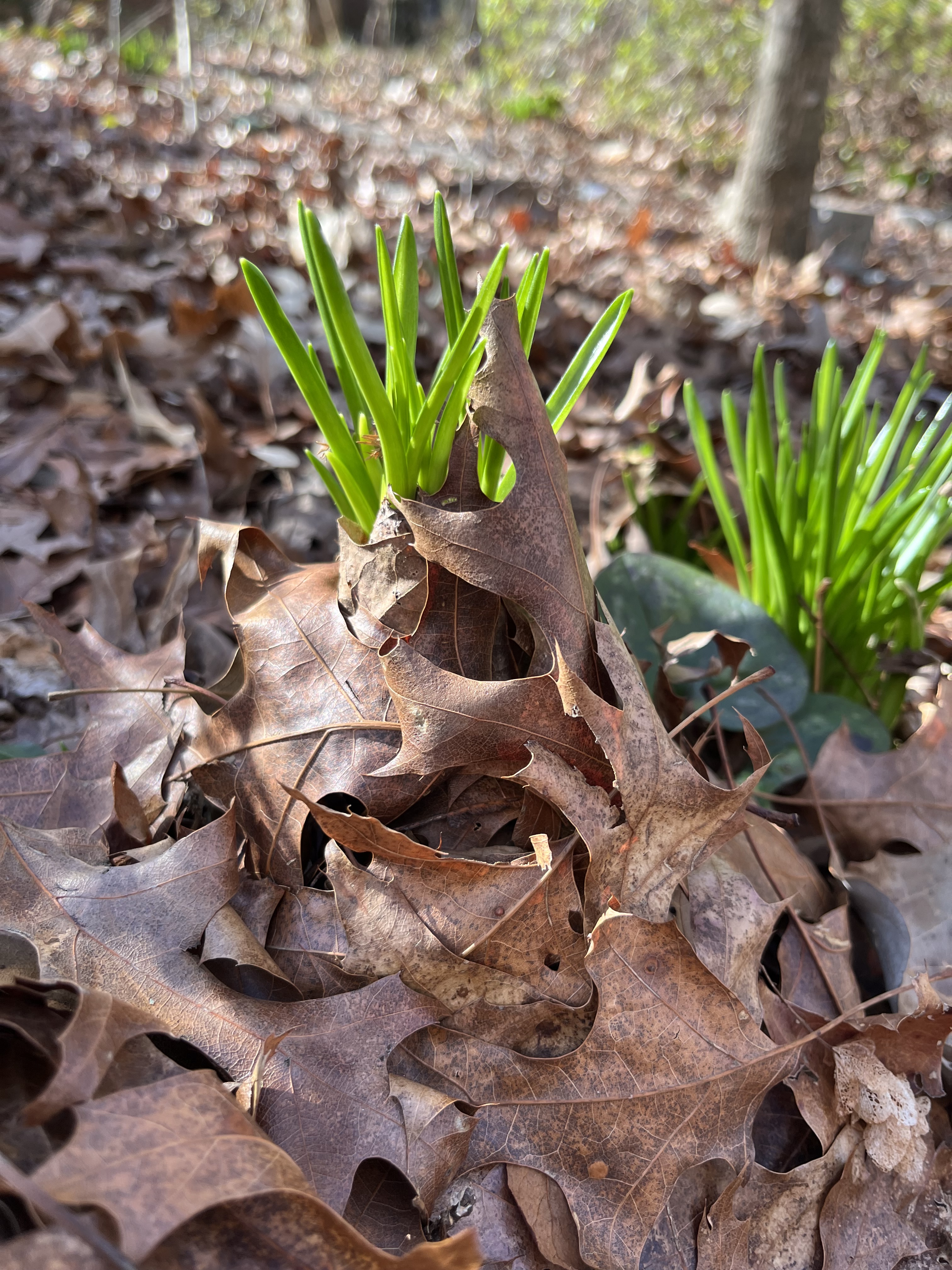
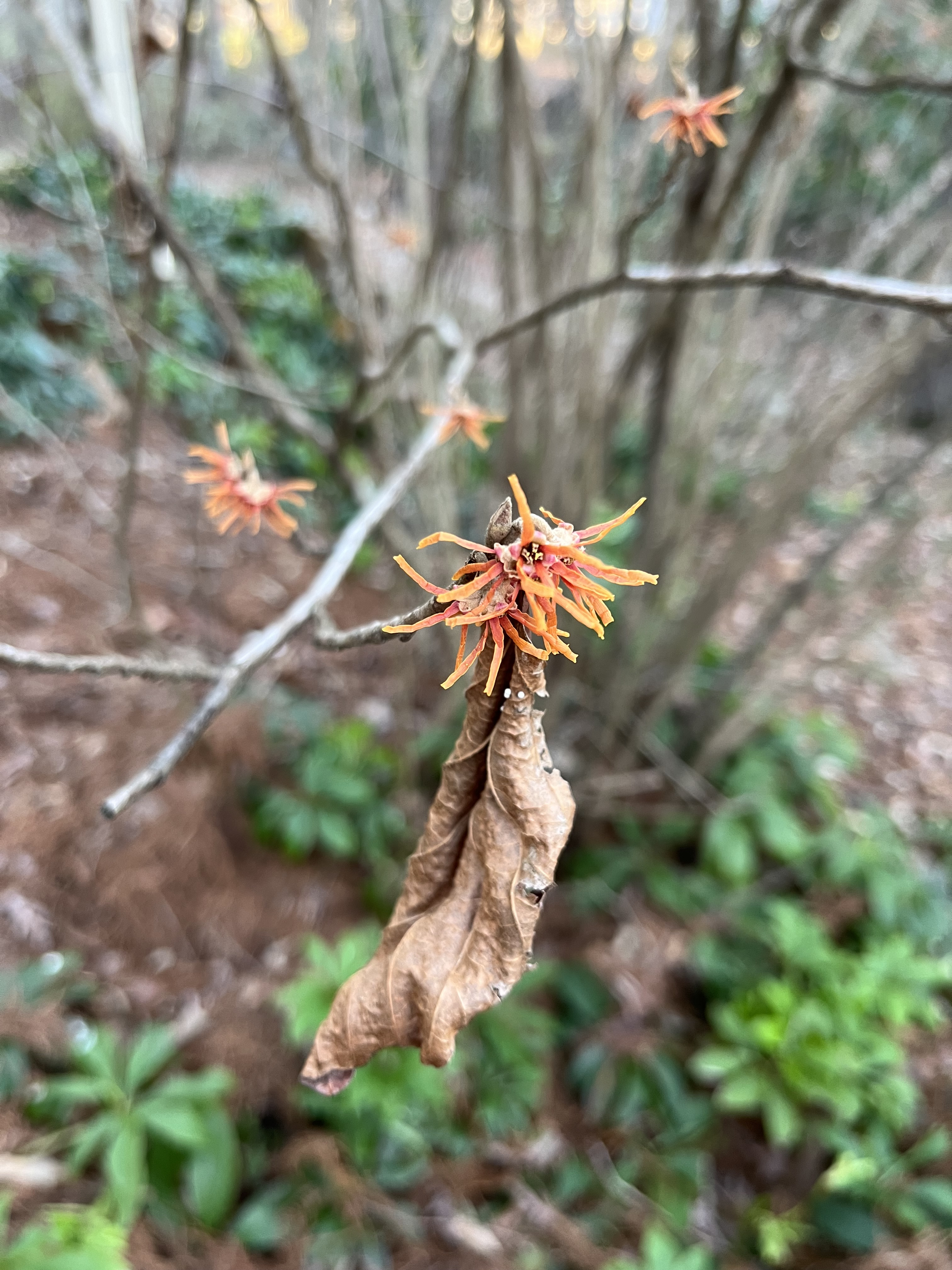
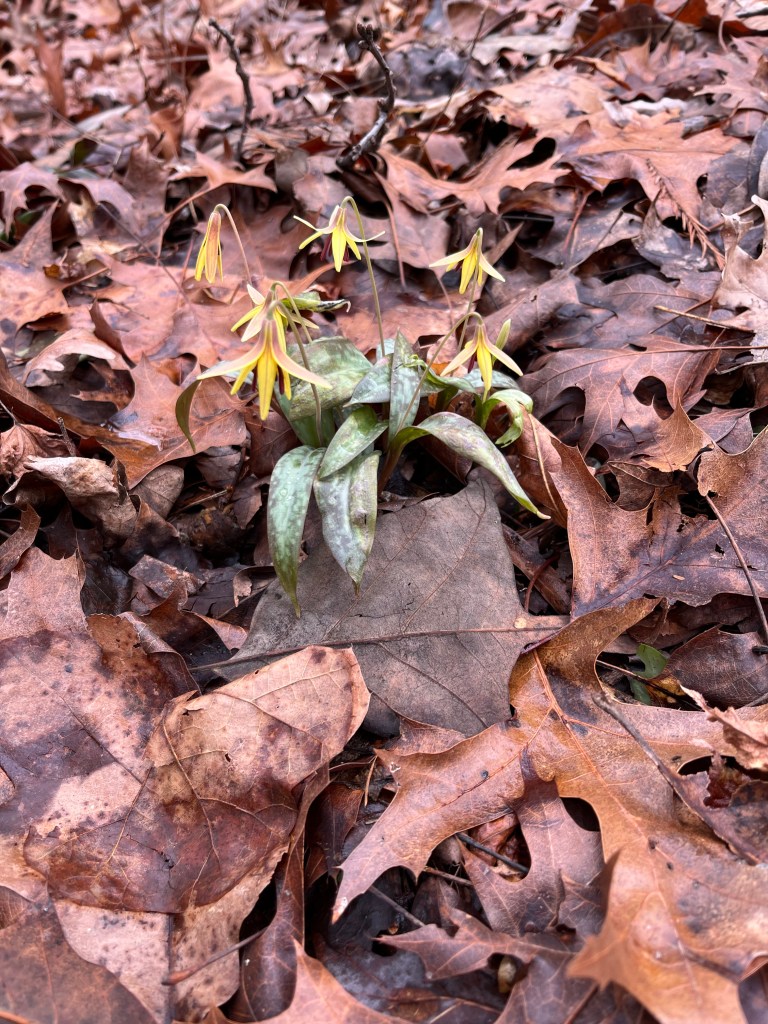
Yet, even when I stroll my garden in the winter, weeks before the magnificent display of new life, I find signs of what will be. Leafless branches sport tiny buds, which will become the next season’s greenery. Flowering shrubs often set their buds months before they bloom. They sit patiently, awaiting the time of their awakening. After years of watching the cycle repeat, I confidently look forward to the beauty to come.

I find bulbs and seeds to be equally remarkable. They don’t look like much, but each holds the promise of what it will become. Given time and the proper conditions, even the tiniest of seeds will produce a towering tree with branches to provide shelter for nesting birds (Mark 40:30-32).

His Life in Us

The introductory verse above from Galatians affirms the status of those who believe in Christ as Savior. We are alive in Him. And though we will continue to struggle with sin as long as we’re in the flesh, God already counts us righteous because of Jesus’ sacrifice. The Spirit is at work within us, with the same power that raised Jesus from the dead (Ephesians 1:19-20), transforming us more and more into the image of the Son.

Just as the promise of what will be resides in buds and bulbs and seeds, we have the assurance that He who began a good work in us will see it through to completion (Philippians 1:6).

Aspirations

The first half of Acts chapter 4 describes an occasion when Jewish religious leaders arrested Peter and John, then summoned them to give an account of healing a crippled man (Acts 4:1-22). No matter how much the leaders threatened them, they boldly proclaimed the power of Jesus and His resurrection, giving Him full credit for their ability to heal.

Verse 13 has always inspired me:  Now when they saw the boldness of Peter and John, and perceived that they were uneducated, common men, they were astonished. And they recognized that they had been with Jesus. (Emphasis mine.)

That’s me, common and ordinary, nothing of my own to boast about (Ephesians 2:8-9), but I want to look different – to captivate others with the beauty and aroma of Christ – because I’ve been with Him. 

Blessed to Be a Blessing

God chose a people for Himself, not to take them out of the world immediately, but to join Him in reconciling the nations to Himself (2 Corinthians 5:17-19).

While we live as sojourners between the now and not yet, we’re called to manifest signs of the life of Christ in us, always ready to give a reason for our hope (1 Peter 3:15). Paul tells us we’re God’s workmanship in Christ and that He prepared good works for us to carry out (Ephesians 2:10). According to James, good works provide evidence of a faith that’s alive and well (James 2:14-26).

Likewise, the fruit of the Spirit – love, joy, peace, patience, kindness, goodness, faithfulness, gentleness, and self-control –  reflects our abiding dependence on the One who makes all things new, including us.

So, dear readers, won’t you join me in endeavoring to embrace and embody who we are in Christ so that our lives might bear much fruit for Him?

Dear Lord, what a gift You give us in the beauty of springtime when reminders of Jesus’ resurrection are all around us. Thank You for the assurance we have in Him that we, too, will be raised to eternal life. Until then, please help us exhibit unmistakable signs of His life in us to a world in need of hope.

Scuppy the Fern

Every good gift and every perfect gift is from above, coming down from the Father of lights, with whom there is no variation or shadow due to change.
James 1:17

The summer heat and humidity are finally beginning to loosen their grip on our little corner of the world. My grandchildren and I took advantage of the lovely weather a few days ago and went for a walk, our first one in recent memory.

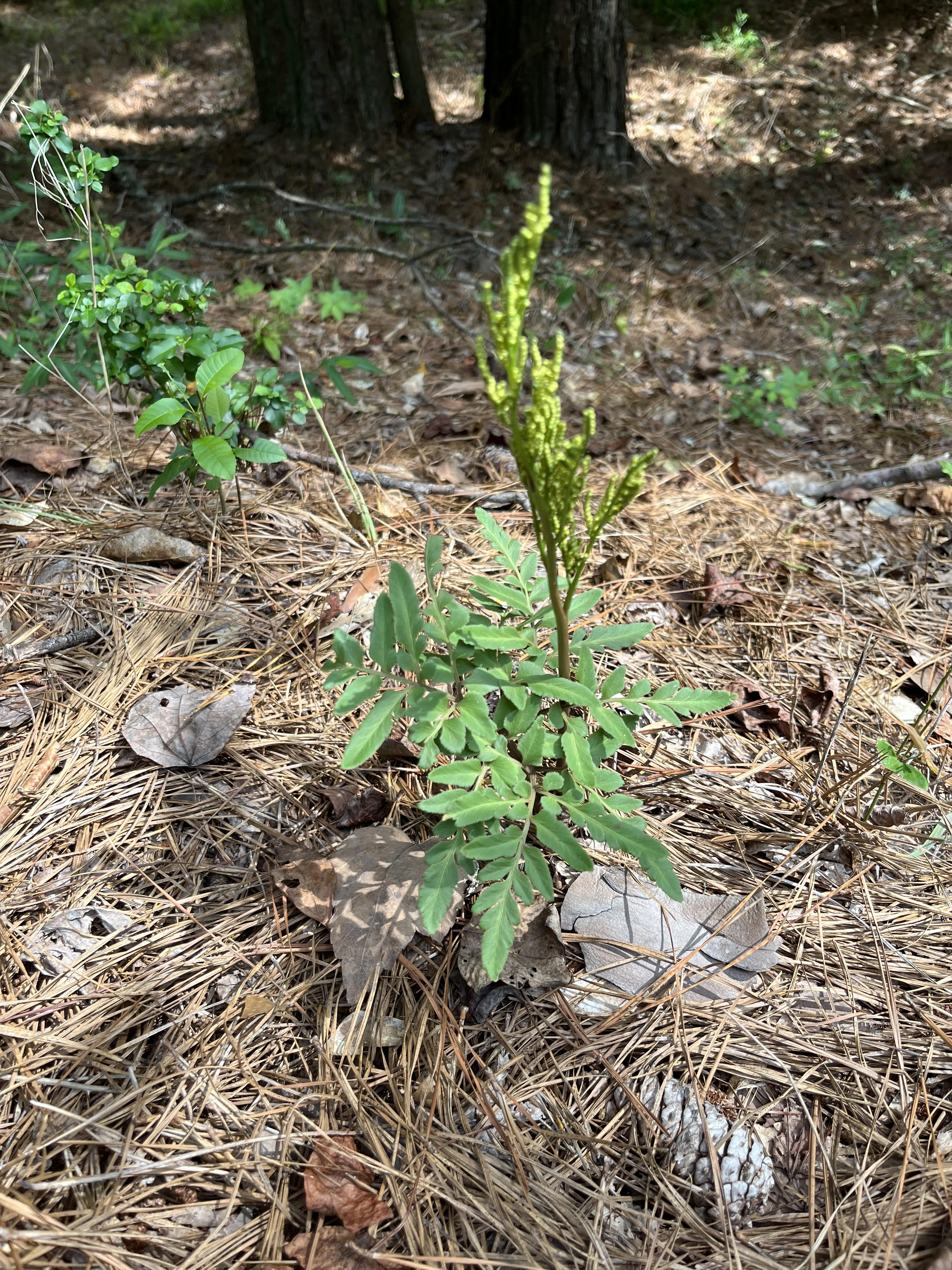
I’m not sure if Joshua or I spotted it first, but there, in an overgrown patch next to the big sidewalk, as we’ve come to refer to the half-mile of concrete that stretches from their property to Main Street, was a unique fern.

As soon as I saw it, I wanted it. It was delicate and petite, unlike most of the exuberant ferns already sprawling in my woods. Lyla and Emma, ahead of us on their scooters, circled back to see what had caught our attention.

All of us agreed it was quite lovely yet apparently unnoticed or cared for by anyone else, given the state of its surroundings. A discussion ensued regarding whether or not it would be acceptable to rescue it. I initially said, “No, we don’t know who owns the property, but we do know it’s not ours.”

As we continued our walk, the rationalizations began, with each of us contributing to the debate.

“Maybe it’s in the right-of-way and will just get mowed down if we don’t save it!”

“If it is on someone’s property, I bet they don’t know or care that it’s there.”

“Let’s see if anyone is in the yard next door when we go back by. Then we can ask.”

Each time one of us would offer a new suggestion to justify digging it up, I would say, “We really shouldn’t.” Then we passed by it on our way back home. I looked longingly at the fern, and said, “I’ll ask Mommy. She can be my conscience.”

When my daughter Mary arrived home, Joshua told her about the fern, and I told her about our debate regarding its status, ending with, “I told the kids I’d let you be my conscience.”

Mary looked at me with an amused smile and an expression that said, “You already know the answer, Mom.”

I conceded, “You’re right. No digging! It’s not my property or my plant,” consoling myself with the hope of finding a grape fern (yes, Joshua and I looked it up) at a future native plant sale.

When I returned to Mary’s house several days later, Joshua could barely contain himself.

“Grammie! Guess what I found?! A fern like the one we saw on our walk. It’s in our yard!”

Sure enough, there, nestled next to the trunk of the Japanese maple not ten feet from their front door, was a grape fern. Joshua was adamant. “I want you to have it, Grammie. I know it will be happy in your garden.”

He handed me his trowel, and I proceeded to carefully dig up the tiny treasure.

“Thank you, Joshua! I’m glad we didn’t dig the other one up. Looks like God had one for us all along.”

Some might see the little plant as a reward for doing the right thing, but I don’t. Knowing we’ve made God-honoring choices is a reward in itself. Instead, I see it as a reminder that God is fully capable of providing whatever He deems is good for us. He owns the cattle on a thousand hills (Psalm 50:10-11) and cares for the birds and the lilies (Matthew 6:25-33). We have no reason to covet, rationalize, and certainly not steal!

I’ll readily admit that I didn’t “need” the fern, but I can never have too many reminders of God’s steadfast, intimate love. He sees me. He knows me, you, and each of His children by name. And, like a loving Father, He delights in giving us good gifts (Matthew 7:11).  

Even though many of my plants have connections to special people or events, I don’t think I’ve ever named one, but we decided the fern deserved a name. According to Joshua, it needed to be inspired by grapes since it’s a grape fern. I chose Scuppy, short for scuppernong, grapes that have a special connection to my mom, which is a story for another time.

When others see Scuppy in my garden, they’ll see a delicate fern, but I’ll see a memorial. Not one as imposing as the one erected by the Israelites when they crossed over the Jordan River (Joshua 4:1-8), but a monument nonetheless. One that will remind me that God has already given the priceless gift of His Son and will not withhold any lesser thing that He deems good for us (Romans 8:32).

All Better

And I heard a loud voice from the throne saying, “Behold, the dwelling place of God is with man. He will dwell with them, and they will be his people, and God himself will be with them as their God. He will wipe away every tear from their eyes, and death shall be no more, neither shall there be mourning, nor crying, nor pain anymore, for the former things have passed away.”
Revelation 21:3-4

A Pleasant Pastime

A decade or so ago, I discovered the joys of feeding the birds that frequent my wooded property. Cardinals, chickadees, woodpeckers, nut hatches, and titmice are year-round visitors. Other varieties stop by occasionally as they pass through en route to their final destinations.

I placed the feeders where I can see them from several vantage points in my kitchen, so the birds provide entertainment when I’m washing dishes or sitting at my table.

Over the years, I’ve observed a hierarchy in Birdville. The red-bellied woodpecker, one of the largest birds to visit the buffet, appears to be at the top of the pecking order. I’ve never seen him harass any of the other birds, but when he shows up, they move out of the way until he’s finished eating.

Occasionally, when the woodpecker isn’t around, a bird will barge in, scattering those already on the feeder, but, for the most part, they take turns, and meal times proceed in an orderly manner.

Trouble in Birdville

Imagine my dismay last weekend when a menacing mockingbird decided to keep everyone else away from the feeders. When I first saw it chasing the other birds, I thought, “Just wait until the woodpecker returns. He’ll restore order.”

But the woodpecker didn’t return that afternoon, and the mockingbird continued to harass every bird that attempted to get a seed or bit of suet. I decided I’d have to be the protector. I repeatedly got up from the table where I was trying to work on an article for our women’s ministry newsletter, opened the door to my deck, and shooed the belligerent bird away.

The mockingbird was determined. Not only was it keeping other birds from the feeders, but it was also chasing them in the woods, diving and swooping like a fighter plane. The futility of my efforts swallowed up the joy usually associated with feeding my feathered friends. Furthermore, it took at least twice as long to write the article as it would have had I not been policing the deck, adding fuel to the bubbling cauldron of emotions threatening to boil over.

Where oh where was the woodpecker? Surely he wasn’t afraid of the intruder!

Order Restored

When I came downstairs the following morning, the mockingbird had already assumed its post on the deck railing, ready to attack. Dismay and disappointment joined lingering anger from the day before, but mostly I felt my insufficiency. No matter how hard I tried, I couldn’t make it all better.

I decided to place two feeders in the woods and two on the deck in hopes the mockingbird wouldn’t be able to guard all of them, and the other birds could get a few bites to eat. I consoled myself with the truth that even though I feel responsible for the birds on my property, they all belong to God. I prayed He would take care of them (Psalm 145:15-16).

The next day, while I was still upstairs, I heard a melodious blend of bird songs, chirps, and twitters. The woods were full of the music I’ve become accustomed to on spring mornings. Could it be that order had been restored?

I ventured downstairs and found the red-bellied woodpecker had returned. Ever since, birds of all sizes, from tiny Carolina wrens to big brown thrashers, have been taking turns at the feeders. Even the mockingbird, now minding its manners, has been stopping by. Ah, harmony in Birdville. What a relief!

The Real Issue

Do you ever overreact? I’ve learned when I respond with oversized emotions to a situation I may barely remember a month later, it’s usually due to an infusion of angst from an underlying event. Such was the case with the scenario I described above. That bubbling cauldron of jumbled emotions I felt due to my inability to fix the situation was fueled by sadness at not being able to make things better in cases with much higher stakes.

This time two years ago, my dear little mom was in constant pain from what we eventually learned was sciatica. Try as I might, I couldn’t get her the help she needed to alleviate the pain. She fell and broke her hip just hours before the appointment with the pain specialist and went to the hospital instead. The pain she endured for the final ten days of her life was well beyond my capability to heal, as were the fragility of her mind and emotions after surgery to repair her hip.

All I could do was pray, reassure, and sometimes sing as I tried to comfort her.

Likewise, I can’t restore the parts of my 92-year-old father’s mind that a stroke stole from him 17 months ago. He can’t keep the days of the week or time of day straight, and his facility for working crossword puzzles and devouring multi-hundred-page books are a thing of the past. I oversee his care and finances, and as one of his nurses says, I ensure he’s safe and loved.

Oh, how I wish I could do more, but I’m a finite being with finite abilities.

The One Who Can

I don’t like to see suffering or harm in any realm, much less when it comes to my beloved family and friends. I want to fix it, to make it all better. I expect all of God’s children feel that way to some extent. As we traverse this world marred by sin, knowing things aren’t the way God intended them to be, we long for things to be set right.

The bad news is we can’t fix it. But the very best news is that God can and will make it all better. Jesus defeated sin and death by taking our sins upon Himself, paying the debt we owed, and covering us with His righteousness. He is seated at the right hand of God, sovereign over all things and constraining evil (Hebrews 1:1-3). One day Jesus will return and restore harmony. When He does, nothing will kill or destroy on all His holy mountain (Isaiah 11:9). There will be no more pain, no broken hips or debilitating strokes, and no more tears of sorrow and frustration.

Until then, may we strive to care for those God has entrusted to us, remembering He is God and we are not. Everything belongs to Him, even those we most cherish, and we must trust Him for the outcomes.

Dear Lord, please forgive me for stepping over the line, forgetting my place, and trying to “help” You take care of everything. Please give me a clear understanding of my part, trusting You to work all things together for good in full assurance that Jesus’ return will usher in eternity full of peace and joy in Your presence.

The Land of the Living

I would have despaired had I not believed that I would see the goodness of the Lord in the land of the living. Wait for and confidently expect the Lord. Be strong and let your heart take courage. Yes, wait for and confidently expect the Lord.
Psalm 27:13-14 Amplified Bible

Flash Freeze

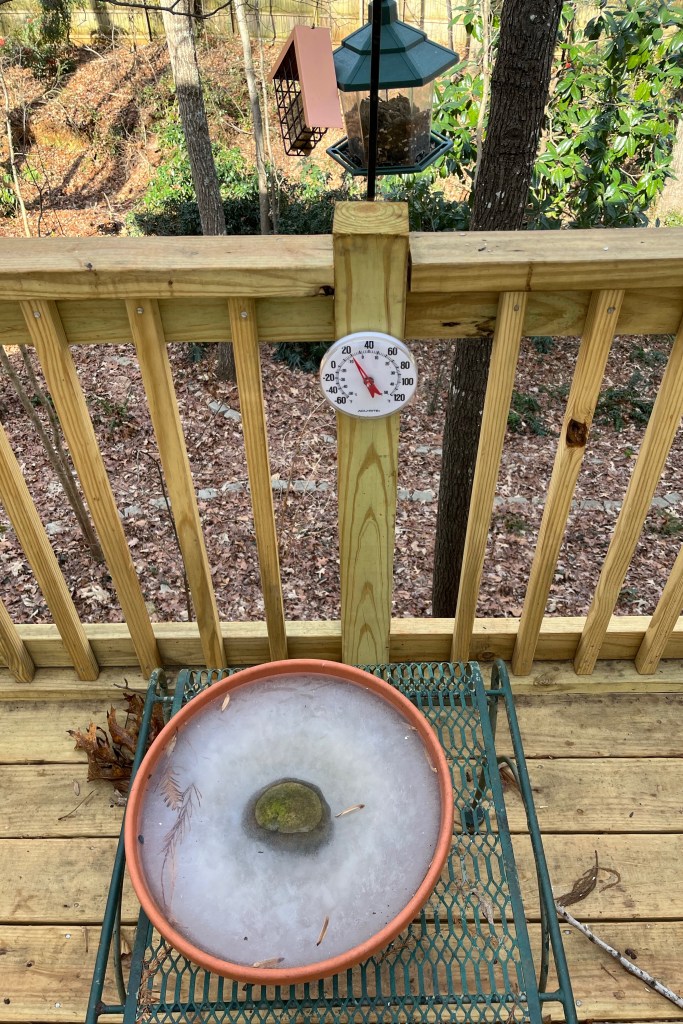
The week before Christmas found us experiencing normal temperatures here in metro Atlanta – highs in the mid-50s, lows in the upper-30s – but that changed abruptly on December 23rd. Temperatures plummeted overnight from a high of 52 to a low of 19, dropping even further to a frigid 8 degrees the next day. Daytime highs returned to above freezing on the third day, but nighttime lows remained well below freezing as we experienced one of the coldest Christmases on record.

The lingering lows, accompanied by blustery, bone-chilling winds wreaked havoc on the plants, most of which hadn’t gone dormant yet due to our moderate weather. I compared notes with fellow gardening enthusiasts. Most of our annuals were a total loss. The arctic blast burned the foliage of the cheerful violas and pansies, staples of our winter gardens, while the ornamental kale was nothing more than mush when it thawed out.

 One friend, a longtime Master Gardener, shared a video that addressed our “what now?” questions. The speaker used the term “flash freeze” to describe what happened to the plants when the temperature dropped precipitously. The water in their cells froze instantly. When the temperatures rose above freezing, some of the cells burst, no longer able to contain the water required for life.

Despite this grim description, the speaker affirmed what my gardening friends and I had been encouraging ourselves with: it was too soon to judge how the perennials, shrubs, and trees had fared. Given our cumulative experience, we were hopeful more plant friends would survive than wouldn’t.

Only time would tell.

Sudden Loss

After watching the video and contemplating what my garden might look like come spring, I pondered how sudden loss is akin to a flash freeze. Even though nearly 26 years have passed since my husband’s sudden death, I distinctly remember driving to work a few days before his passing. Stopped at an intersection, waiting for the light to turn green, I was soaking up the beauty of the day. I thanked God for the warm weather and springtime blossoms and that things were going smoothly for my little family.

Less than a week later, I received the life-changing news that my 39-year-old husband had not survived a heart attack that felled him while he was at work. My 7- and 10-year-old daughters heard the nurse’s somber pronouncement at the same time I did. In a moment, life as we knew it stopped.

Days passed. My daughters went back to school, and I returned to work as we tried to recreate some semblance of normalcy. But many nights, tears flowed from one, two, or all three of us. Even though I clung to my faith, knowing I would experience joy when God called me Home, I wondered if I would ever experience joy again in this life.

One evening, that question was running through my mind yet again when I sat down with my Bible. The reading schedule brought me to Psalm 27, where I found encouragement in the introductory passage above. The Lord used it to assure me I could wait with confidence, counting on His goodness. I trusted that joy would indeed return in this life, even though I wasn’t sure what it would look like or how long it would take.

Only time would tell.

Joy for Mourning

Ray had a horticulture degree and was an accomplished gardener whose legacy includes the plants he chose for our yard. In those early days of loss, I could never have imagined what a tremendous role those plants would play in restoring my joy.

In a journal entry dated 3-1-98, I recorded the following: I spent the whole afternoon outside yesterday, cleaning up the front beds and going through the many pots Ray kept. It was a bittersweet experience. I couldn’t believe all the little plants that are coming back to life. I cried several times as I dug, raked, clipped, and discovered new growth. The beauty and hope are there. I just miss having Ray to share it with. Several times I stopped and said a silent thank you to him for planting so many beautiful things and to God for sustaining it all.

That, my friends, was the first of countless sessions of what I refer to as “garden therapy.” Seeing the tiny shoots popping up through the leaf litter gave me great hope. If they could survive their cold, dark winter, then maybe I could survive my season of loss.

Sustained by God’s grace and His steadfast love, I’ve done more than survive. I’ve flourished – and so has the garden He’s entrusted to my care. It nourishes me spiritually as I see scriptural principles come to life and provides a tangible connection to Ray until we’re reunited.

You might be wondering how my plants are doing now, two months after the deep freeze. There are some indications that a few didn’t make it, just as there were some things in my life that didn’t survive Ray’s passing. However, I’m pleased to report that the plants are exhibiting the same perseverance I observed 25 years ago. Signs of life are popping out everywhere, and, just as my fellow plant lovers and I expected, far more of our leafy friends survived than didn’t.

Life in this world is challenging. As pilgrims on our way Home, we can be buffeted by all sorts of ill winds. Yet there is joy in the journey because our joy rests in a Person. Jesus, the One Who came to give us abundant life now and eternal life in His presence, is also the One Who’s promised never to leave or forsake us. He will give us strength for the journey and see us safely Home.

Dear Lord, thank You for lovingly sustaining all You’ve made, from the plants and animals to Your beloved children created in Your image. Though this world bears the effects of sin, You’ve filled it with examples of Your great love and care for us. Please help us to have eyes to see those gifts even as we long for Your return.

God’s Ambassadors

“You are the light of the world. A city set on a hill cannot be hidden. Nor do people light a lamp and put it under a basket, but on a stand, and it gives light to all in the house. In the same way, let your light shine before others, so that they may see your good works and give glory to your Father who is in heaven.”
Matthew 5:14-16

A Brief Encounter

One of the first things I do each day is to check the weather. I suppose it’s the gardener in me. The week before Christmas, I noticed an alarming trend in temperatures forecasted for the holiday weekend. Even though I know our single-digit lows would be welcome in other parts of the country where temperatures plunged well below zero, they can cause problems for pipes, plants, and pets here in Georgia.

As many of you know, I count the birds that frequent my feeders as my outside pets. Thus, wanting to make sure I had plenty of food on hand and knowing I wouldn’t have time to make it to Home Depot, I opted to pick up a bag of mixed seeds when I got my groceries.

While I was perusing the choices, another woman joined me in front of the birdseed shelves. Detecting a kindred spirit, I commented, “I hope the birds will be ok when the deep freeze gets here.”

She replied, “Me too! They have downy feathers to keep warm, right?”

Trying to reassure her, I said, “They fluff up too to provide extra insulation.” (My 11-year-old grandson Joshua, a treasury of animal facts, and I had a conversation about that a few days before my trek to the grocery store, so I felt confident in my assertion.)

Still troubled, she said, “But what about their little feet and legs?”

That one stumped me, though if Joshua had been there, I have no doubt he would have had an explanation for why birds’ feet don’t freeze. Instead, in an attempt to ease our concerns, I stated something I knew to be true. “The Bible says God watches over the birds, so we’ll trust Him to do that.”

She smiled. “You’re right. It does.”

I added, “And we’ll do our part to make sure they have food.”

Another smile, “Yes, we will.”

We each selected a bag of seeds, wished each other Merry Christmas, and went our separate ways.

Deep Freeze

The forecast proved to be correct. Temperatures plummeted, lows were below 10 degrees, and three days passed with highs in the teens and 20s. When we finally made it above freezing, it felt like a heat wave!

As is my custom, I refilled the feeders each morning and returned them to their hooks on my deck. The first frigid morning, I peered expectantly out the kitchen window, awaiting the arrival of my bird friends.

I didn’t have to wait long. Soon a steady stream of customers was coming and going, consuming seeds even more rapidly than usual. The birds, including their tiny feet and legs, made it through the wintry blast. But I knew they would because I’ve seen God protect them through other unfavorable conditions. Their calm during those times, happily feeding, unphased by the adverse circumstances, reminds me that the One who watches over the birds and flowers also watches over me (Matthew 6:26-33). [1]

Shining the Light

Christmas is about God meeting our greatest need, our need for a Savior. The Apostle Paul, writing to the believers in Rome, assured them that if God didn’t withhold His only Son, He surely wouldn’t withhold any lesser thing (Romans 8:32).

As children of the King, we know our Father will meet all our needs and will never forsake us. Even so, there are times we need someone to remind us. As I told my fellow bird lover, we can do our part to care for those God places in our circle. Sometimes it looks like making sure the bird feeders are full. At others, it means sharing a word of truth in a brief encounter with a stranger to help turn their eyes toward Jesus. Then again, it involves consistently being life-givers to close family and friends, those we know best.[2]

Regardless of the situation, we’re God’s ambassadors, called to be light in a world filled with darkness because we belong to the Light that darkness cannot overcome (John 1:4-5).

Each week, our pastor encourages us to embrace, embody, and extend the love and grace we’ve received in Christ. I pray you’ll consider that to be part of your mission, too, as we begin a new year. May we always endeavor to shine for God’s glory.

Dear Lord, how blessed we are to be called Your children, and what a privilege You’ve bestowed upon us to be Your representatives. Please help us to care for Your creation and our fellow image-bearers with humble, grateful hearts, acknowledging all You’ve done for us.  


[1] Please see “Through the Storm,” Archives, September 2017.

[2] If you’re unfamiliar with the concept of being a life-giver, please see the “Give Life” tab and “Bucket-fillers” in Archives, November 2018.

When We Least Expect It, Reprise

For the Lord himself will descend from heaven with a cry of command, with the voice of an archangel, and with the sound of the trumpet of God. And the dead in Christ will rise first.
1 Thessalonians 4:16

Surprise!

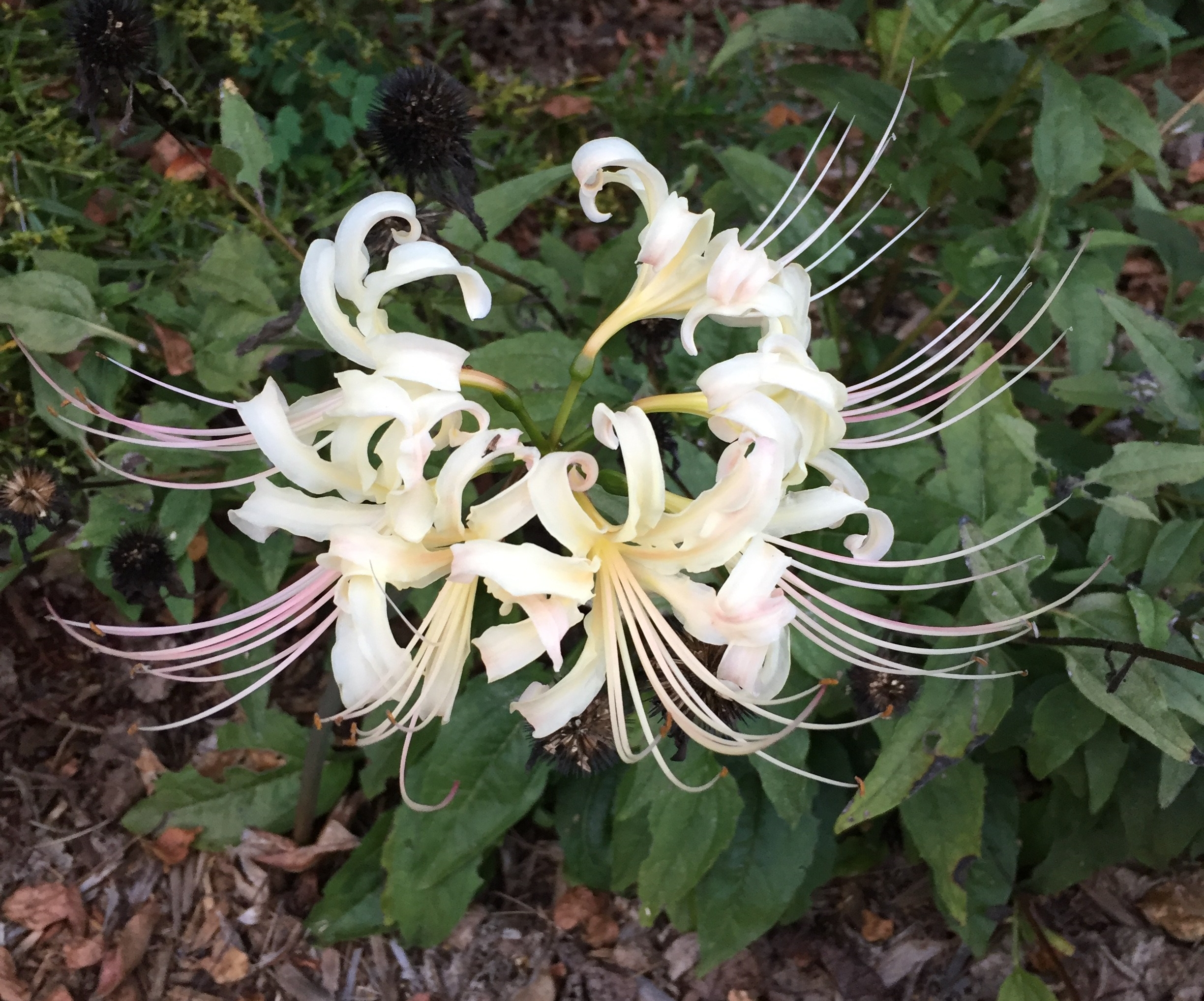
It caught my eye as soon as I pulled into the driveway, weary from a long drive home after a week at the beach. So much time had passed since the cream-colored Lycoris last bloomed, I didn’t even remember it was there. Yet despite its long absence, in a perfectly-timed reappearance, it provided a cheerful, “Welcome home!”

Its return was even sweeter because my late husband, Ray, planted the bulb from which it sprouted over two decades ago. The intriguing inflorescence has shown up each year since, accompanied by additional specimens in adjacent flower beds.

One of the common names for Lycoris albiflora and its more common red-flowered cousin, Lycoris radiata, is “surprise lily”[1] because its foliage disappears weeks before the bloom spike appears, thus allowing time for you to forget it’s there.

Be Prepared!

Jesus said His promised return will be a surprise. In fact, He said no one knows the day or hour except the Father (Matthew 24:36). After making this statement, Jesus went on to tell several parables emphasizing the importance of being watchful and ready:

  • First, there’s the tale of the master of the house who would have stayed awake to protect his dwelling from a break-in had he known when the thief would arrive (Matthew 24:43-44).
  • Then there’s the story contrasting the behavior of faithful and wicked servants (Matthew 24:45-51).
  • And finally, the tale of the ten virgins, five wise and five foolish (Matthew 25:1-14).

All three have the same warning: be prepared! Our Master may return at any moment.

Telling Future Generations

The Old Testament is full of prophecies regarding Jesus’ incarnation, yet 400 years passed from the time of the last one until His appearance – more than enough time for people to forget or doubt. Nonetheless, God preserved the memory of His covenant promises across all those centuries, as exemplified by Simeon and Anna. Both were devout. Both watched hopefully for the coming of the Savior. Enlightened by the Spirit, they exulted over weeks-old Jesus when He was presented at the Temple, knowing the long-awaited One was before them (Luke 2:22-36).

The wait for Jesus’ return is nearing 2,000 years. I rejoice that I am one of those expectantly waiting because generations before me told their children, who in turn told their children so the marvelous message of God’s glorious deeds would not be forgotten (Psalm 78:1-4). Likewise, we must tell our children and grandchildren of His great love and faithfulness and instruct them in His commandments (Deuteronomy 6:4-7).

Called Home  

When my mom was a little girl, talk of the end of the world scared her. In her wisdom, my grandmother told her, “Honey, the end of the world comes for someone every day.” And so it does, sometimes when we least expect it. My husband, barely 39 years old, went to work on a beautiful spring day, suffered a fatal heart attack, and never returned home.

Whether we remain until Jesus returns or He calls us Home before, may we be found ready and watchful, faithfully going about our Father’s business. Though the timing is unknown, His second coming is as certain as His first, and our eternal destiny is secure.

But we do not want you to be uninformed, brothers, about those who are asleep, that you may not grieve as others do who have no hope. For since we believe that Jesus died and rose again, even so, through Jesus, God will bring with him those who have fallen asleep. For this we declare to you by a word from the Lord, that we who are alive, who are left until the coming of the Lord, will not precede those who have fallen asleep. For the Lord himself will descend from heaven with a cry of command, with the voice of an archangel, and with the sound of the trumpet of God. And the dead in Christ will rise first. Then we who are alive, who are left, will be caught up together with them in the clouds to meet the Lord in the air, and so we will always be with the Lord. Therefore encourage one another with these words.
(1 Thessalonians 4:13-18)

Dear Lord, thank You that even though present circumstances sometimes cause us to forget we’re merely pilgrims in this world, we can look forward to arriving safely Home. We may not be able to pencil in the day of Your return on our calendars, but it’s a surprise we can anticipate with joy and certainty.


[1] Common names for Lycoris radiata include surprise lily, hurricane lily, and spider lily.