“Those whom you laid in the grave with many tears are in good keeping: you will yet see them again with joy. Believe it, think it, rest on it. It is all true.”
J.C. Ryle
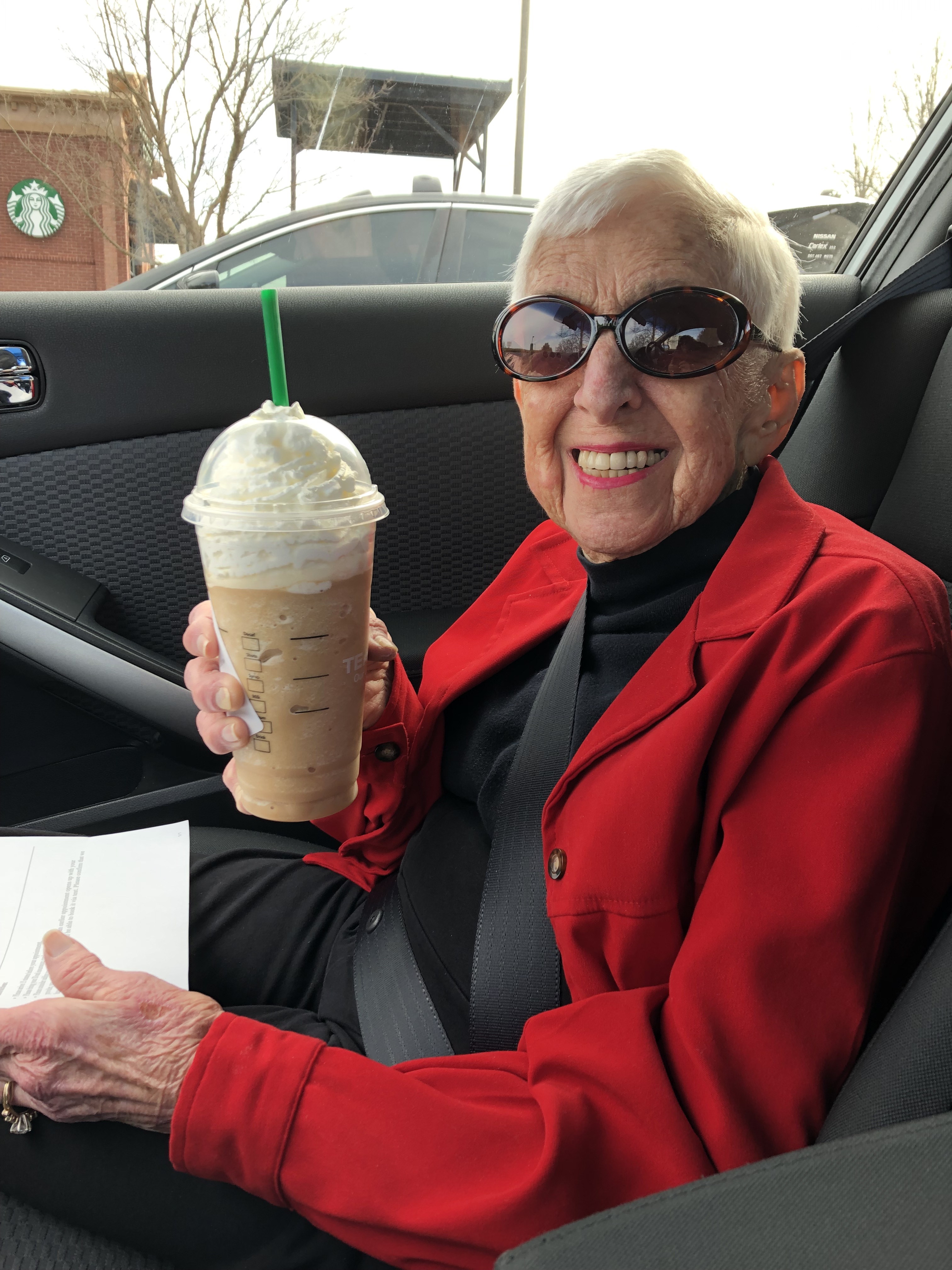
“Tell them hello for me” was one of Mom’s signature sayings. Depending on who “them” referred to, she might also tack on, “and that I love them.” I delivered her message countless times over the years. Sometimes when Mom and I would muse about being reunited with our departed loved ones, we’d extend the request to the other side. One of us would say, “If you get there first, tell them hello for me.” And I would often add, “Please give Ray a big hug!”
A Wondrous Vision
As I recounted in “Either Way, It Hurts,”[1] we didn’t have many coherent conversations with Mom after the surgery to repair her broken hip. Hallucinations hounded her. She repeatedly referred to her nurses by my daughters’ names and mistook my son-in-law for one of her late brothers-in-law. One of her sweeter scenarios found us taking care of a baby. Though she referenced playing peek-a-boo with great-granddaughter Emma, I couldn’t help but wonder if the infant she was tending wasn’t my little sister, who died almost 60 years ago.
Nearly-constant fidgeting accompanied Mom’s imaginings, so I spent most of my visits standing at her bedside. I held her hands and stroked her head and arms in an attempt to calm her mind and body. Sometimes I played hymns on my phone or sang. I recited scripture and prayed.
One afternoon, as I was trying to soothe her, Mom’s gaze shifted to something beyond me. She became quiet and smiled several times as a look of joy and wonder transformed her countenance. I asked her what she saw.
Instead of responding to me, she marveled, “Well, is that Ray?”
Another big smile. Mom turned her eyes slightly as if surveying a room and exclaimed, “There you all are! Do you remember me? It’s been a long time!”
I thought the Lord was going to call Mom Home, but the moments of calm passed, replaced all-too-soon by agitation that would continue to plague Mom’s final days.
Reassurance
Though I spent numerous hours at the hospital, I didn’t have the emotional or physical stamina to be there 24/7. My daughters and son-in-law took turns visiting and soothing, but still, there were times when no family members were with Mom, only her dedicated caregivers. I fretted she might be alone if the Lord did call her Home.
The palliative care doctor attempted to alleviate my concerns. “Don’t feel guilty if you’re not here when your mother passes. I’ve seen instances where family members have kept bedside vigils for hours, step out of the room for a few minutes, and find their loved one is gone when they return.”
I consoled myself with Dr. Gordon’s words, knowing friends who’d experienced the sequence of events she described. I also knew God would never leave or forsake Mom in this life or the next.
But then He graciously gave me the gift of witnessing that brief respite, filled with wonder and joy and recognition, which buoyed my hope that Mom would be surrounded by loved ones even if we weren’t there.
A Greater Gift
My concerns were unfounded, as they often are. In His exceeding kindness, God made it possible for all of us – Dad, daughters Mary and Jessie, son-in-law Justin, our pastor, and me – to be with Mom in her final hour on this earth.
By the time we arrived, Mom was drawing ever-closer to her heavenly rest. Her breathing was shallow, and she didn’t respond to our expressions of love or our whispered prayers and hushed goodbyes. Nonetheless, I prayed God would enable her to know we were there.
I began to sing our family anthem, “Amazing Grace,”[2] fully expecting my voice to falter before I got to the second stanza. Instead, it grew steadier, as a strength not my own carried me to the very last word of the final verse. By then, Mom had drawn her last breath and peacefully entered into the presence of Jesus. I imagined my voice blending with a heavenly chorus as Mom’s faith became sight (1 Corinthians 13:12).

I also imagined loved ones there to greet her. Then, much like her gaze focused beyond me the afternoon she initially saw them, I fancied her being captivated by her first glimpse of Jesus, His arms open wide to receive her, another saint safely Home (John 10:27-29).
And I like to think she gave Ray that hug.
Lord, there are many things we don’t know about heaven, but Your Word assures us that we’ll be with You and all those who belong to You (Revelation 21:3) in a place of unimaginable beauty and blessings (Psalm 16:11). Our faith will become sight as we behold Jesus and see that all of Your promises are indeed yes in Him (2 Corinthians 1:20).
[1] Please see Archives, May 2021.
[2] Please see “Let’s All Sing,” Archives, June 2020.
 Multiple members of my generation love tending plants, as do a number of our children and grandchildren. Recognizing our shared passion, I smile when cousins post pictures of their gardens, sometimes with young offspring sampling produce fresh from the vine.
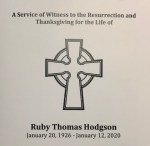
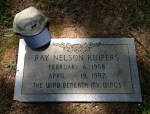 I grieved, not as a sports fan, but as a widow who knows what it’s like to bid your beloved husband goodbye on an ordinary day, never to see him alive again. Because Ray was called Home at age 39, long before most of the relatives whose loss we anticipated grieving together.
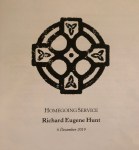 Gene entered his heavenly Home last month. I had the privilege of attending his memorial service. The sanctuary of our small church overflowed as several hundred people from all stages of Gene’s life gathered to celebrate by worshiping the One he faithfully served, for we do not grieve as those who have no hope. (1 Thessalonians 4:13-18)
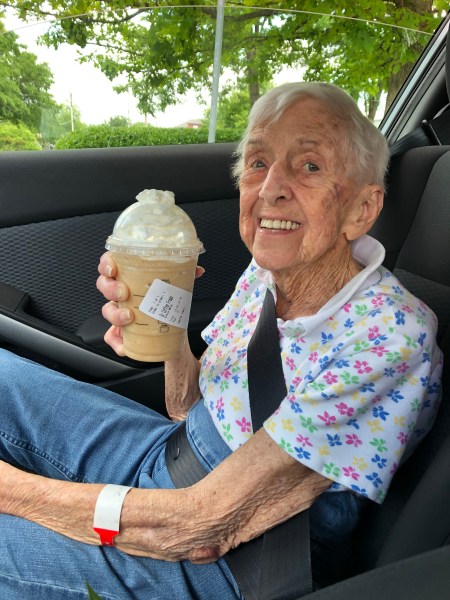 The same story played out at the rehab facility, as Mom became an instant favorite with the staff. When the long-awaited day arrived for me to collect her and bring her home, it took the better part of an hour for all the goodbyes to be said. Mom wanted to thank everyone who’d helped her. They in turn didn’t want to miss giving Miz Thelma a farewell hug and wishing her the best.
 I dedicated myself to raising my daughters, completed a 30-year career at a large corporation, went back to school to study horticulture, became “Grammie” to three precious little ones. All the while, the calendar pages kept turning with increasing velocity until that distant speck became an entry, “me – 60!!” Once again, I gathered important documents and made my way to the Social Security office. Thoughts of the former trip accompanied me, as did so many similar emotions, which became barely-contained tears as I resolutely recounted my story to the kind agent who entered my claim.
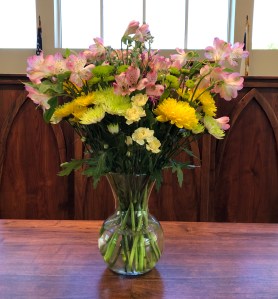 church in memory of my beloved husband. In view of the timing of Resurrection Sunday, this year’s floral offering was also given to the praise and glory of our Risen Savior.
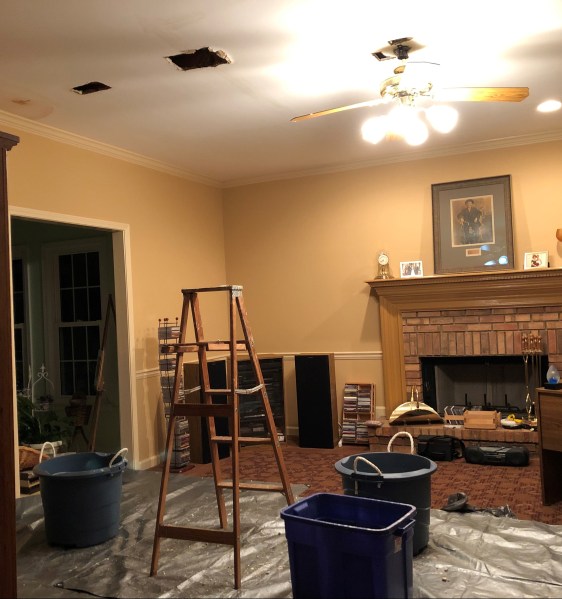 In spite of my valiant efforts, the taunting thoughts multiplied and threatened to overtake the more reasonable ones. I almost convinced myself it was time to move into an over-55 community where upkeep was someone else’s responsibility. But then, two hours into my plumber’s return visit, as I gazed at strategically-placed tarps and tubs and several holes in my ceiling, one of my grandmother’s sayings came to me, “Nothing’s so bad it couldn’t be worse.”


 Back 2 the Garden